
Meta Description: Discover 10 science-backed tips to lose weight fast and safely. From eating more protein to improving sleep, these strategies deliver real, lasting results.
Introduction
If you want to lose weight fast, you need the right strategy. Many people try extreme diets, but the best results come from fast weight loss tips that are safe and sustainable.
In this guide, you’ll learn how to lose weight fast and safely using simple, science-backed habits that actually work.
1. Eat More Protein at Every Meal
If there’s one change that delivers the biggest impact, it’s increasing your protein intake. Protein is the most satiating macronutrient, meaning it keeps you feeling full longer and reduces cravings throughout the day. Studies show that a high-protein diet can reduce late-night snacking by up to 60% and cut overall calorie intake significantly.
Best protein sources to include:
- Eggs and egg whites
- Grilled chicken and turkey
- Lentils and chickpeas
- Greek yogurt and cottage cheese
- Tuna and salmon
Aim to include a protein source in every single meal — not just dinner. A high-protein breakfast in particular sets the tone for a day with fewer cravings and more controlled eating.
2. Drink Water Before Every Meal
Hydration is one of the most underrated weight loss tools. Drinking two glasses of water 30 minutes before eating helps fill your stomach, naturally reducing portion sizes. Research has shown that this simple habit can boost calorie burning by 24–30% for up to 1.5 hours after drinking.
Additionally, many people confuse thirst with hunger. Staying consistently hydrated throughout the day can prevent unnecessary snacking and keep your metabolism running efficiently. Aim for 8–10 glasses of water daily, and always start meals with water first.
3. Cut Back on Sugary Drinks Immediately
One of the fastest ways to reduce your calorie intake is to eliminate sugary drinks. Sodas, packaged fruit juices, energy drinks, and even flavored coffees are loaded with empty calories — they provide zero nutritional value while spiking your blood sugar and triggering fat storage.
A single can of soda contains around 150 calories and 40 grams of sugar. That adds up to over 1,000 extra calories per week from drinks alone.
Healthy drink alternatives:
- Still or sparkling water with lemon
- Unsweetened green or herbal tea
- Black coffee (without sugar or cream)
- Infused water with cucumber or mint
Making this one swap can lead to noticeable weight loss within just a few weeks.
4. Load Up on Fiber-Rich Foods
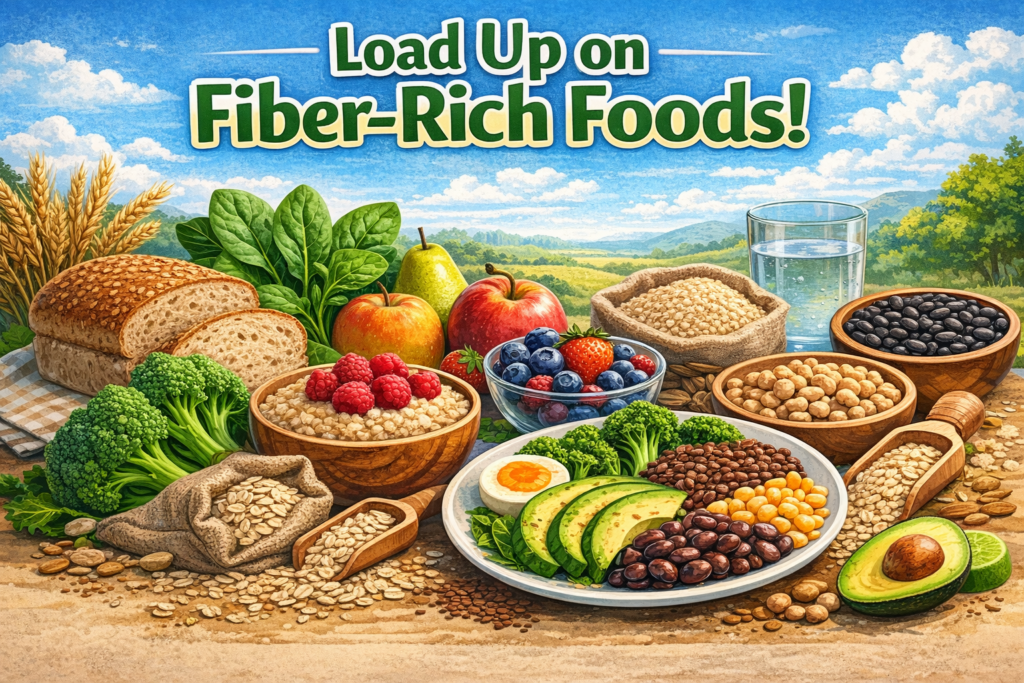
Dietary fiber is your best friend when it comes to weight management. Unlike simple carbohydrates that digest quickly and leave you hungry soon after, fiber slows down digestion, keeping you fuller for longer and stabilizing blood sugar levels.
A high-fiber diet has also been linked to reduced belly fat, improved gut health, and lower cholesterol. The recommended daily intake is 25–38 grams, yet most people consume far less.
Top fiber-rich foods to add to your plate:
- Broccoli, spinach, and leafy greens
- Apples, pears, and berries
- Oats, quinoa, and whole grain bread
- Black beans, lentils, and chickpeas
Start by adding one extra serving of vegetables to each meal — it’s a simple change that compounds over time.
5. Prioritize Quality Sleep Every Night
Sleep is not a luxury — it’s a biological necessity for weight control. When you’re sleep-deprived, your body produces more Ghrelin (the hunger hormone) and less Leptin (the satiety hormone). The result? You feel hungrier, crave high-calorie foods, and have less willpower to resist them.
Poor sleep also slows down your metabolism and increases cortisol levels, which promotes fat storage — particularly around the abdomen.
Tips for better sleep:
- Aim for 7–9 hours of uninterrupted sleep per night
- Avoid screens at least one hour before bed
- Keep your bedroom cool and dark
- Establish a consistent sleep and wake schedule, even on weekends
Fix your sleep, and you’ll be amazed at how much easier weight loss becomes.
6. Never Skip Breakfast
Skipping breakfast might seem like an easy way to cut calories, but it often backfires. When you skip your morning meal, your blood sugar drops, your energy crashes, and you’re far more likely to overeat later in the day or reach for fast food out of desperation.
A balanced breakfast jumpstarts your metabolism, fuels your brain, and sets healthier eating patterns for the rest of the day.
Smart breakfast ideas:
- Oatmeal topped with banana and chia seeds
- Scrambled eggs with whole grain toast and avocado
- Greek yogurt with mixed berries and walnuts
- A protein smoothie with spinach, almond milk, and banana
Keep breakfast high in protein and fiber, and low in added sugars, for the best results.
7. Move Your Body — Even Just 30 Minutes a Day
You don’t need a gym membership or hours of intense exercise to lose weight. Research consistently shows that 30 minutes of moderate daily movement — such as brisk walking — can significantly improve body composition, cardiovascular health, and mood.
The key is consistency over intensity. A daily 30-minute walk burns approximately 150–200 calories, and that adds up to over 1,000 calories per week without stepping foot in a gym.
Easy ways to move more:
- Walk during phone calls
- Take the stairs instead of the elevator
- Do bodyweight exercises at home (squats, lunges, push-ups)
- Cycle to nearby destinations
- Try a 15-minute YouTube workout before bed
Find activities you genuinely enjoy, and you’ll never see exercise as a punishment again.
8. Eat Slowly and Mindfully
In our fast-paced world, many of us eat quickly — often while scrolling through our phones or watching TV. This is a major contributor to overeating. Your brain takes approximately 20 minutes to receive signals from your stomach that you’re full. If you eat too fast, you’ll consume far more calories before those signals arrive.
Mindful eating practices to adopt:
- Put your fork down between bites
- Chew each mouthful thoroughly (at least 20 times)
- Eat without screens or distractions
- Use a smaller plate to manage portion sizes visually
- Pause halfway through your meal and assess your hunger level
Slowing down is free, requires no special equipment, and can reduce calorie intake by 15–20% per meal.
9. Plan Your Meals in Advance
One of the biggest obstacles to healthy eating is decision fatigue. When you’re hungry and don’t have a plan, you’re far more likely to order takeout or grab something unhealthy. Meal planning removes this problem entirely.
Set aside one hour each week to plan your meals, write a grocery list, and prepare basics like boiled eggs, cooked grains, or pre-washed vegetables. This simple habit saves time, reduces food waste, and keeps you in complete control of what you eat.
Meal prep essentials:
- Cook proteins in bulk (chicken breast, hard-boiled eggs)
- Pre-chop vegetables for quick stir-fries and salads
- Portion snacks into containers to avoid mindless eating
- Plan for healthy options when eating out
10. Be Patient, Consistent, and Kind to Yourself
Perhaps the most important tip of all: sustainable weight loss takes time. A healthy, safe rate of loss is 0.5 to 1 kilogram per week. That may not sound dramatic, but it means up to 4 kilograms per month — and results that actually last.
Avoid the trap of all-or-nothing thinking. If you slip up and have an unhealthy meal, it doesn’t undo your progress. What matters is getting back on track immediately. Progress, not perfection, is the real goal.
Celebrate small wins — a better night’s sleep, a day of hitting your water goal, choosing a salad over fries. These moments build the identity of a healthy person, and that identity is what drives long-term change.
Recommended Foods at a Glance
| Food Group | Best Examples |
|---|---|
| Protein | Eggs, chicken, lentils, Greek yogurt, tuna |
| Fiber | Broccoli, oats, apples, black beans, quinoa |
| Healthy Fats | Avocado, almonds, walnuts, olive oil |
| Hydration | Water, green tea, black coffee, herbal infusions |
Conclusion
Losing weight is a journey, not a race — and it doesn’t have to be miserable. By implementing these 10 science-backed strategies, you’ll be building habits that not only help you lose weight but keep it off for good.
Start small. Pick two or three tips from this list and focus on them consistently for two weeks. Once they feel natural, add more. That’s how lasting transformation happens — not through willpower alone, but through intelligent, sustainable habits.