Quick Summary
Reading Time: 9–10 minutes Who this guide is for: Anyone trying to lose weight while preserving muscle, staying full longer, and avoiding constant hunger and energy crashes.
Key Takeaways
- Protein increases satiety, protects lean muscle, and boosts calorie burn through digestion.
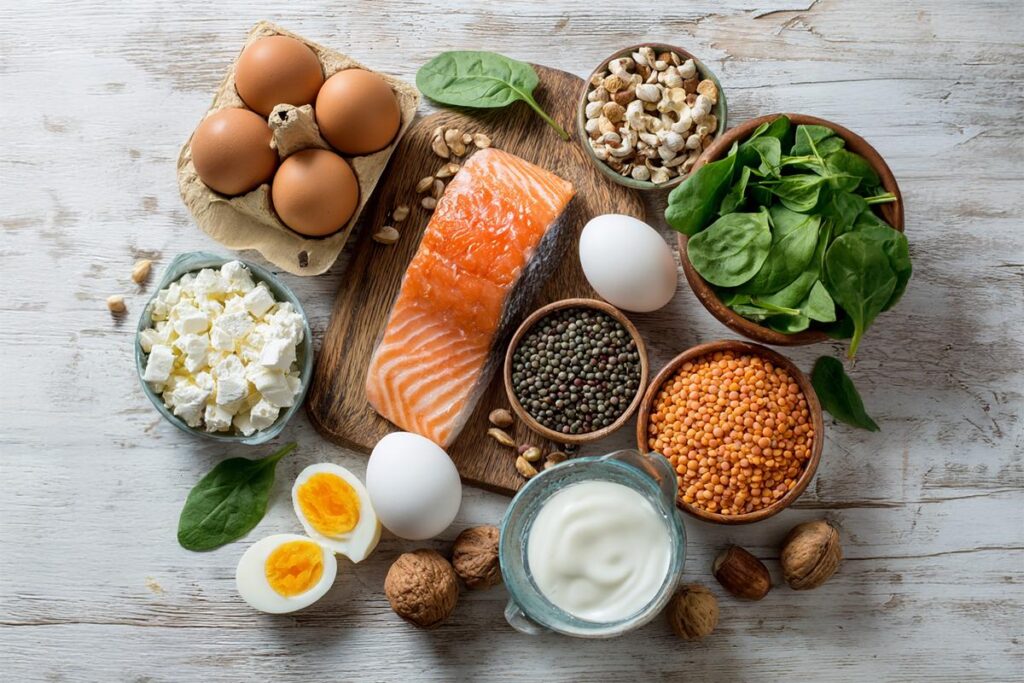
- The best high-protein foods for weight loss include lean meats, fish, eggs, dairy, legumes, and plant-based options.
- Most people trying to lose weight benefit from roughly 1.2–1.6 g of protein per kilogram of body weight daily.
- Protein alone won’t cause weight loss — it works best inside a calorie deficit, alongside exercise, sleep, and hydration.
Introduction
If you’ve ever started a diet only to feel hungry an hour after eating, protein is probably the missing piece. Among all nutrients, protein has the strongest effect on appetite control, making it one of the most powerful tools for sustainable weight loss. Unlike restrictive diets that leave you drained and craving snacks, a diet built around best high-protein foods for weight loss helps you stay satisfied, protect the muscle you already have, and keep your metabolism working in your favor. This guide breaks down exactly why protein matters, how much you need, and which foods deserve a permanent spot on your plate.
Why Protein Is Important for Weight Loss
Protein supports weight loss through several connected mechanisms:
- Satiety: Protein is the most filling macronutrient, reducing hunger hormones and helping you naturally eat less throughout the day.
- Muscle preservation: During a calorie deficit, the body can break down muscle for energy. Adequate protein signals your body to protect lean tissue instead.
- Thermic Effect of Food (TEF): Digesting protein burns more calories than digesting fats or carbohydrates, giving a small but meaningful metabolic edge.
- Metabolism: Preserving muscle mass helps keep your resting metabolic rate higher, which matters as weight comes off.
- Fat loss quality: Diets higher in protein tend to result in more fat loss and less muscle loss compared to lower-protein diets, according to research summarized by the Harvard T.H. Chan School of Public Health.
How Much Protein Do You Need Daily?
Protein needs vary based on activity level and weight loss goals. As a general guide:
| Group | Recommended Protein Intake |
|---|---|
| Sedentary adults | 0.8–1.0 g per kg of body weight |
| Active adults | 1.2–1.6 g per kg of body weight |
| People trying to lose weight | 1.2–1.6 g per kg (spread across meals) |
These ranges align with general guidance from the Academy of Nutrition and Dietetics, though individual needs can vary based on age, health conditions, and activity type. Spreading protein evenly across 3–4 meals tends to be more effective for satiety and muscle preservation than eating most of it in one sitting.
20 Best High-Protein Foods for Weight Loss
1. Chicken Breast
- Protein: ~31g per 100g | Calories: ~165
- A lean, versatile staple low in fat and rich in complete protein.
- Supports muscle maintenance during a calorie deficit.
- Best grilled, baked, or added to salads and bowls.
2. Turkey Breast
- Protein: ~29g per 100g | Calories: ~135
- Slightly leaner than chicken with a similarly complete amino acid profile.
- A great swap in sandwiches or stir-fries.
- Best roasted or pan-seared with herbs.
3. Eggs
- Protein: ~6g per egg | Calories: ~70
- Contain all essential amino acids plus choline and healthy fats.
- Highly satiating for their calorie count.
- Best boiled, poached, or scrambled with vegetables.
4. Greek Yogurt
- Protein: ~10g per 100g | Calories: ~59
- Contains probiotics that support gut health alongside protein.
- Slow-digesting, helping curb late-night snacking.
- Best plain, topped with berries or seeds.
5. Cottage Cheese
- Protein: ~11g per 100g | Calories: ~98
- High in casein protein, which digests slowly for lasting fullness.
- A convenient low-calorie, high-protein snack.
- Best eaten with fruit or a drizzle of honey.
6. Tuna
- Protein: ~26g per 100g | Calories: ~132
- Extremely lean with minimal fat and calories.
- A budget-friendly source of complete protein and omega-3s.
- Best in salads or a simple tuna-and-vegetable bowl.
7. Salmon
- Protein: ~25g per 100g | Calories: ~208
- Rich in omega-3 fatty acids that support heart and metabolic health.
- Satisfying due to its protein-fat combination.
- Best baked or grilled with lemon and herbs.
8. Sardines
- Protein: ~25g per 100g | Calories: ~208
- Packed with calcium, omega-3s, and vitamin D.
- An affordable, nutrient-dense protein option.
- Best on whole-grain toast or in salads.
9. Shrimp
- Protein: ~24g per 100g | Calories: ~99
- One of the leanest high-protein seafood choices.
- Cooks quickly, making it easy for busy schedules.
- Best sautéed with garlic and vegetables.
10. Lean Beef
- Protein: ~26g per 100g | Calories: ~217
- Rich in iron, zinc, and vitamin B12 alongside protein.
- Choose lean cuts to keep saturated fat in check.
- Best grilled and paired with vegetables.
11. Tofu
- Protein: ~8g per 100g | Calories: ~76
- A complete plant protein suitable for vegetarians and vegans.
- Absorbs flavors well, making it diet-friendly.
- Best stir-fried or baked with spices.
12. Tempeh
- Protein: ~19g per 100g | Calories: ~193
- Fermented soy product with protein and gut-friendly probiotics.
- Firmer texture than tofu, great for grilling.
- Best marinated and pan-fried.
13. Lentils
- Protein: ~9g per 100g cooked | Calories: ~116
- High in fiber, which enhances fullness alongside protein.
- Supports stable blood sugar levels.
- Best in soups, stews, or grain bowls.
14. Chickpeas
- Protein: ~9g per 100g cooked | Calories: ~164
- A fiber-and-protein combination that slows digestion.
- Versatile for salads, hummus, or roasting.
- Best roasted as a crunchy snack.
15. Black Beans
- Protein: ~9g per 100g cooked | Calories: ~132
- Rich in fiber and antioxidants alongside plant protein.
- A filling, low-cost weight-loss staple.
- Best in bowls, tacos, or soups.
16. Edamame
- Protein: ~11g per 100g | Calories: ~121
- A whole soybean source of complete plant protein.
- Easy, satisfying snack straight from the pod.
- Best steamed with a pinch of sea salt.
17. Quinoa
- Protein: ~4.4g per 100g cooked | Calories: ~120
- A complete plant protein and gluten-free whole grain.
- Adds texture and staying power to meals.
- Best as a base for salads or bowls.
18. Almonds
- Protein: ~21g per 100g | Calories: ~579
- Combine protein with healthy fats and fiber.
- Calorie-dense, so portion control matters.
- Best as a controlled-portion snack (about a small handful).
19. Pumpkin Seeds
- Protein: ~19g per 100g | Calories: ~446
- Rich in magnesium, zinc, and plant protein.
- A crunchy topping that adds staying power to meals.
- Best sprinkled on salads, yogurt, or oatmeal.
20. Protein Powder (Whey or Plant-Based)
- Protein: ~20–25g per scoop | Calories: ~100–130
- A convenient way to close protein gaps, especially post-workout.
- Useful for smoothies or quick high-protein snacks.
- Best blended with fruit, water, or milk.
Animal Protein vs Plant Protein
| Factor | Animal Protein | Plant Protein |
|---|---|---|
| Protein quality | Complete amino acid profile | Often needs variety to be complete |
| Amino acids | All essential amino acids present | May be lower in one or more |
| Digestibility | Generally higher digestibility | Slightly lower, varies by food |
| Calories | Can be higher depending on cut | Often lower, higher in fiber |
| Best for weight loss | Efficient muscle preservation | Added fiber boosts fullness |
Neither category is inherently “better” — a combination of both, based on preference and dietary needs, works well for most people.
Best High-Protein Snacks for Weight Loss
- Greek yogurt with berries
- A boiled egg with a small handful of nuts
- Cottage cheese with cucumber slices
- Roasted chickpeas
- Edamame with sea salt
- A protein shake with unsweetened almond milk
For more low-calorie snack ideas, see our guide on Best Low-Calorie Snacks for Weight Loss.
Mistakes People Make When Eating More Protein
- Ignoring calories: Protein still contains calories; overall intake still matters for weight loss.
- Eating processed protein bars: Many are high in added sugar despite marketing claims.
- Not drinking enough water: Higher protein intake increases the importance of proper hydration.
- Forgetting fiber: A protein-heavy diet without enough vegetables or whole grains can slow digestion.
- Eating too much red meat: Balance red meat with lean poultry, fish, and plant proteins for a well-rounded diet.
Expert Tips
- Spread protein across all meals rather than loading it into dinner alone.
- Pair protein with fiber-rich vegetables to maximize fullness.
- Prioritize whole-food protein sources over heavily processed alternatives.
- Combine strength training with adequate protein to better preserve muscle while losing fat.
- Track intake for a week or two to understand your typical protein gap.
Common Myths About Protein
Myth: High protein damages healthy kidneys. Current evidence indicates that higher protein intake is not harmful for people with normal kidney function, though those with pre-existing kidney disease should consult a healthcare provider.
Myth: More protein always means faster weight loss. Protein supports weight loss primarily through satiety and muscle preservation — weight loss still depends on maintaining an overall calorie deficit.
Myth: Protein alone burns fat. No single nutrient burns fat by itself. Fat loss requires a sustained calorie deficit, with protein playing a supportive role.
Myth: Plant protein is ineffective. While some plant proteins are incomplete individually, combining varied plant sources across the day can meet all essential amino acid needs.
Frequently Asked Questions (FAQ)
What is the best high-protein food for weight loss? There isn’t a single “best” food — lean meats, fish, eggs, dairy, and legumes all offer strong benefits depending on your dietary preferences.
Can protein help burn belly fat? Protein supports overall fat loss, including abdominal fat, primarily by improving satiety and preserving muscle during a calorie deficit.
How much protein should I eat daily? Most people aiming for weight loss benefit from roughly 1.2–1.6 grams per kilogram of body weight daily.
Is too much protein harmful? For most healthy adults, higher protein intake within reasonable ranges is considered safe; those with kidney conditions should seek medical guidance.
Which protein is best after exercise? Fast-digesting options like whey protein, eggs, or Greek yogurt are popular post-workout choices to support muscle recovery.
Are eggs good for weight loss? Yes — eggs are nutrient-dense, highly satiating, and relatively low in calories.
Is Greek yogurt good for weight loss? Yes — its high protein and probiotic content make it a filling, gut-friendly choice.
Can vegetarians get enough protein? Yes — combining foods like lentils, chickpeas, tofu, tempeh, and quinoa can easily meet daily protein needs.
Final Thoughts
Protein is one of the most reliable tools for sustainable weight loss, helping control hunger, protect muscle, and support a healthy metabolism. But food choices alone aren’t the whole picture. For lasting results, combine a high-protein diet rich in the foods above with a consistent calorie deficit, regular physical activity, quality sleep, and proper hydration. If you’re also working through a stalled scale, our guide on Weight Loss Plateau: Causes and Solutions can help you troubleshoot further, and pairing this with insights from How Many Calories Should You Eat to Lose Weight? and Why Am I Not Losing Weight in a Calorie Deficit? rounds out a complete, evidence-based approach. For movement guidance, check out Walking vs Running for Weight Loss, and don’t overlook hydration — see How Much Water Should You Drink to Lose Weight? for details.
Sources referenced for general accuracy: World Health Organization (WHO), Harvard T.H. Chan School of Public Health, Academy of Nutrition and Dietetics, USDA.
Related Articles