
If you’re trying to shed a few pounds, you’ve probably focused on calories, exercise, and sleep — but one of the most powerful and overlooked tools is sitting right in your kitchen: water. Understanding how much water should you drink to lose weight can genuinely accelerate your results, improve your metabolism, and help you eat less without feeling deprived.
Hydration and weight loss are far more connected than most people realize. In this guide, you’ll discover the science behind water for weight loss, how to calculate your personal daily water intake, the best times to drink, common myths, and practical tips to make healthy hydration a daily habit.
Does Drinking Water Help You Lose Weight?
The short answer is yes — and the science backs it up. Water plays a direct role in several processes that influence body weight.
First, drinking water can temporarily boost your metabolic rate. A well-cited study published in the Journal of Clinical Endocrinology & Metabolism found that drinking 500 ml (about 17 oz) of water increased participants’ metabolic rate by roughly 30% for up to 40 minutes. That might sound small, but it adds up over days and weeks.
Second, water acts as a natural appetite suppressant. Your stomach sends fullness signals to your brain regardless of whether it’s filled with food or liquid. Drinking water before or during meals activates stretch receptors in the stomach and slows gastric emptying, both of which reduce overall calorie intake.
Third, thirst is frequently mistaken for hunger. When you’re mildly dehydrated, your brain can interpret the sensation as a craving for food. By staying properly hydrated, you naturally reduce the number of unnecessary snacking episodes throughout the day.
So while water is not a magic fat-melting solution, drinking enough water for weight loss is a low-effort, zero-calorie strategy that genuinely makes a difference.
How Much Water Should You Drink to Lose Weight?
There’s no universal answer, because daily water intake depends on several personal factors. The widely repeated “8 glasses a day” rule is a reasonable starting point, but it doesn’t account for individual differences.
Here are the key factors that influence your ideal water intake for weight loss:
- Body weight: A common recommendation is to drink 30–35 ml of water per kilogram of body weight. A person weighing 70 kg (154 lbs) would target roughly 2.1–2.5 liters per day.
- Activity level: Exercise increases fluid loss through sweat. Add at least 500 ml for a moderate workout, more for intense or prolonged exercise.
- Climate: Hot or humid environments dramatically increase sweat rate. People in tropical climates may need an extra 1–2 liters daily.
- Age: Older adults often have a reduced sense of thirst and may need to drink water more deliberately throughout the day.
- Gender: The U.S. National Academies of Sciences recommends approximately 3.7 liters (125 oz) per day for men and 2.7 liters (91 oz) for women, including water from all foods and beverages.
| Body Weight | Minimum Daily Water | With Exercise (+) | Hot Climate (+) |
|---|---|---|---|
| 50 kg (110 lbs) | 1.5 – 1.8 L | +0.5 L | +0.5–1 L |
| 60 kg (132 lbs) | 1.8 – 2.1 L | +0.5 L | +0.5–1 L |
| 70 kg (154 lbs) | 2.1 – 2.5 L | +0.5–1 L | +1 L |
| 80 kg (176 lbs) | 2.4 – 2.8 L | +0.5–1 L | +1 L |
| 90 kg (198 lbs) | 2.7 – 3.2 L | +1 L | +1–1.5 L |
| 100 kg (220 lbs) | 3.0 – 3.5 L | +1 L | +1–1.5 L |
💡 Quick Formula: Multiply your body weight in kg by 30–35 ml. That gives your baseline daily water target in milliliters. Add extra for exercise, heat, or if you’re actively trying to lose weight.
Benefits of Drinking Water for Weight Loss
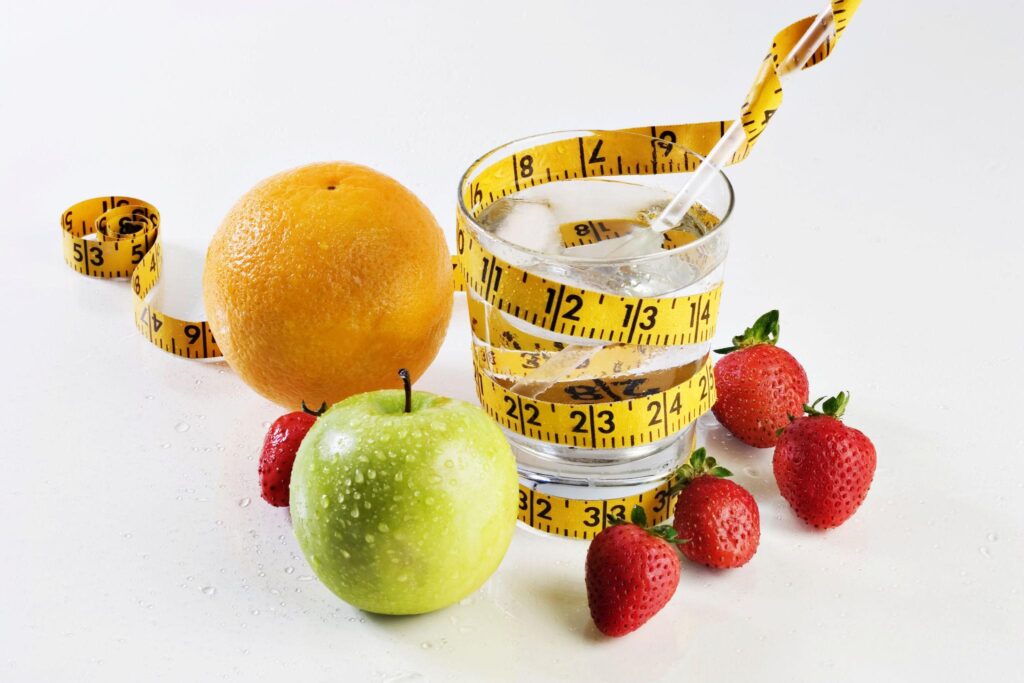
Proper hydration does more than quench thirst. Here’s how the benefits of drinking water directly support your weight loss goals:
1. Appetite Control
Water takes up physical space in the stomach. Drinking a glass before meals creates a feeling of partial fullness that leads to eating smaller portions naturally. Over time, this consistent calorie reduction adds up to meaningful fat loss.
2. Increased Calorie Burning
Thermogenesis — the process of heating cold or room-temperature water to body temperature — burns a small but measurable number of calories. Over the course of a day, consistently drinking the right volume of water can contribute an additional 50–100 calories burned.
3. Improved Metabolism and Water Connection
Every metabolic reaction in the body requires water. When you’re even mildly dehydrated, cellular metabolism slows. Staying properly hydrated ensures your body processes nutrients and burns fat at its optimal rate. The link between metabolism and water is one of the most underappreciated aspects of weight management.
4. Better Digestion
Water helps break down food and supports the absorption of nutrients. It also keeps the digestive tract moving, reducing bloating and constipation — both of which can add temporary weight and discomfort.
5. Enhanced Exercise Performance
Even 2% dehydration can measurably reduce physical performance. Staying well-hydrated helps you exercise harder, longer, and with better form — which means more calories burned and greater muscle preservation during a calorie deficit.
6. Reduced Water Retention
Counterintuitively, drinking more water helps reduce water retention. When your body senses chronic low intake, it hoards water as a survival mechanism. Drinking consistently signals the body that it’s safe to release stored water, which can drop a kilogram or two in visible weight almost immediately.
7. Replacing Sugary Drinks
One of the highest-impact uses of water for weight loss is simply replacing high-calorie beverages. Swapping two sodas per day for water can easily create a 300–500 calorie daily deficit — a significant contributor to weekly fat loss.
Should You Drink Water Before Meals?
Yes — and there’s solid research to support it. A 2010 study published in Obesity found that adults who drank 500 ml of water 30 minutes before each meal lost significantly more weight over 12 weeks compared to those who didn’t.
Drinking water before meals works through three mechanisms:
- It fills partial stomach space, reducing portion size instinctively.
- It slows the rate at which you eat, giving fullness hormones time to register.
- It reduces the temptation to reach for calorie-laden drinks alongside your meal.
The ideal timing is about 20–30 minutes before eating. This gives the water time to be partially absorbed and for fullness signals to communicate with your brain without making digestion uncomfortable.
✅ Practical tip: Keep a glass of water on your kitchen counter as a visual cue. Every time you walk past before a meal, drink it. Small habit, big results over time.
Best Times to Drink Water Throughout the Day
Timing your water intake strategically can enhance its weight loss benefits. Here’s a simple healthy hydration schedule to follow:
- First thing after waking up (250–500 ml): You’ve just gone 7–9 hours without fluid. Rehydrating immediately jumpstarts metabolism and clears out overnight metabolic waste products.
- 20–30 minutes before meals: As discussed above, this is one of the most effective strategies for automatic portion control.
- Mid-morning and mid-afternoon: These are common times for energy dips and false hunger signals. A glass of water often resolves both.
- 30 minutes before exercise: Pre-hydrating ensures you enter your workout well-fueled for performance and fat burning.
- During workouts: Sip 150–250 ml every 15–20 minutes during moderate exercise. More for high-intensity or hot conditions.
- Within 30 minutes after exercise: Replenish lost fluids and support muscle recovery. This is also when rehydration most efficiently restores electrolyte balance.
- Evening (small amounts): Light evening hydration is fine, but avoid large quantities close to bedtime to prevent sleep disruption from nighttime bathroom trips.
Signs You’re Not Drinking Enough Water
Your body sends clear warning signals when it’s dehydrated. Learning to recognize them can prevent the metabolic slowdown and false cravings that derail weight loss efforts:
- Dark yellow or amber urine: The most reliable daily indicator. Pale yellow means well-hydrated; dark means drink more.
- Persistent headaches: Dehydration reduces blood volume and oxygen delivery to the brain, triggering headaches.
- Fatigue and brain fog: Even mild dehydration impairs focus and energy levels, making exercise feel harder and motivation harder to sustain.
- Dry mouth and lips: A common early sign, though the sensation is often ignored or confused with hunger.
- Constipation: The colon pulls water from waste to compensate for low overall hydration, making bowel movements harder and less frequent.
- Increased appetite or constant cravings: As mentioned, thirst is frequently misread as hunger — especially for carbohydrate-rich foods.
Can You Drink Too Much Water?
While rare, drinking excessively large quantities of water in a short timeframe can cause a dangerous condition called hyponatremia — or water intoxication. This occurs when sodium levels in the blood become dangerously diluted.
Hyponatremia is most commonly seen in endurance athletes who drink enormous quantities of plain water without replacing electrolytes, or in individuals with certain underlying health conditions. For most healthy adults following sensible hydration guidelines, it is not a realistic concern.
Symptoms of overhydration include nausea, headache, confusion, and in severe cases, seizures. If you’re consuming within the ranges recommended in this article — roughly 2–4 liters per day depending on size and activity — you are well within safe limits.
Tips to Drink More Water Every Day
Knowing how much to drink is only half the battle. Here are practical strategies to hit your daily water intake target consistently:
- Carry a reusable water bottle: A 1-liter bottle means you only need to refill it 2–3 times to hit most daily targets. Having it visible is a constant visual reminder.
- Set hourly reminders: Use your phone or a smartwatch app to remind you to drink every 60–90 minutes throughout the day.
- Infuse with fruit or herbs: Add slices of lemon, cucumber, mint, or berries to your water. The natural flavour makes plain water far more appealing without adding meaningful calories.
- Track your intake: Apps like WaterMinder, Plant Nanny, or even a simple daily checklist help you hold yourself accountable.
- Drink a glass at each routine trigger: Link water drinking to existing habits — every time you brush your teeth, sit at your desk, or pick up your phone, take a few sips.
- Include herbal teas: Unsweetened herbal teas count toward your daily water intake. Peppermint, chamomile, and ginger teas are naturally calorie-free and satisfying.
- Eat water-rich foods: Cucumbers, watermelon, celery, strawberries, and lettuce are 90%+ water by weight and contribute meaningfully to your overall hydration.
Common Myths About Water and Weight Loss
The internet is full of exaggerated or simply wrong claims about hydration and fat loss. Let’s correct the most common ones:
Myth 1: “Water melts fat”
Reality: Water does not directly dissolve or break down fat cells. Fat loss requires a sustained calorie deficit. Water supports this process by improving metabolism, reducing appetite, and keeping exercise efficient — but it cannot replace the need for dietary and activity changes.
Myth 2: “The more water you drink, the faster you’ll lose weight”
Reality: Beyond your individual daily target, additional water provides diminishing returns and, in extremes, risks. Optimal hydration supports weight loss; excessive hydration does not accelerate it and can be harmful.
Myth 3: “Coffee and tea dehydrate you”
Reality: Moderate coffee and tea consumption does not cause net dehydration. Research consistently shows that the fluid in caffeinated beverages offsets any mild diuretic effect. That said, plain water remains the ideal primary fluid for healthy hydration.
Myth 4: “Sparkling water doesn’t count toward daily intake”
Reality: Plain sparkling water (no added sugar or sodium) is just as hydrating as still water. The carbonation has no meaningful impact on hydration status. Flavored sparkling waters with no added sweeteners are also perfectly acceptable choices.
Myth 5: “You must drink exactly 8 glasses a day”
Reality: The “8×8” rule (eight 8-oz glasses) has no specific scientific basis. It is a rough approximation that works for some people but ignores body size, climate, and activity level. Use the weight-based formula in this article for a more personalized target.
Frequently Asked Questions
How much water should I drink daily to lose weight?
A practical starting point is to multiply your body weight in kilograms by 30–35 ml. For example, a 75 kg person should aim for roughly 2.25–2.6 liters per day. Add more if you exercise, live in a hot climate, or are significantly overweight. Spacing intake throughout the day is more effective than drinking large amounts at once.
Does drinking water burn calories?
Yes, in a small but real way. The body uses energy (calories) to warm ingested water to body temperature — a process called diet-induced thermogenesis. Drinking cold water slightly amplifies this effect. Research suggests consistent adequate hydration can contribute 50–100 extra calories burned per day, which, compounded over weeks, supports fat loss.
Is cold water better for weight loss?
Cold water burns marginally more calories than warm water because the body must expend energy to raise its temperature. However, the difference is quite small — around 8 extra calories per 500 ml glass. Don’t overthink temperature. The most important thing is to drink the right volume consistently.
Should I drink water before every meal?
Yes — research supports drinking approximately 500 ml (2 cups) of water 20–30 minutes before each main meal. This reliably reduces meal portion sizes and total calorie intake without requiring willpower or calorie counting. It is one of the simplest evidence-based habits you can adopt for weight loss.
Can drinking more water reduce belly fat?
Water cannot target belly fat specifically — no diet or supplement can spot-reduce fat. However, proper hydration supports the overall calorie deficit and hormonal environment needed to lose body fat, including from the abdominal area. Combining adequate water intake with a balanced diet and regular physical activity is the most effective approach for reducing belly fat.
What happens if I don’t drink enough water?
Insufficient water intake slows metabolism, reduces exercise performance, increases false hunger signals, and promotes constipation and bloating — all of which make weight loss harder. Chronic mild dehydration also elevates cortisol levels, a stress hormone that encourages fat storage, particularly around the abdomen. Prioritizing daily water intake is one of the most cost-effective things you can do for your overall health and body composition.
Conclusion
Understanding how much water should you drink to lose weight is one of the simplest steps you can take toward a healthier body. Water supports fat loss by boosting metabolism, reducing appetite, improving digestion, and helping you exercise more effectively — all with zero calories and zero cost.
For most adults, aiming for 2–3.5 liters of water per day, adjusted for body weight, activity, and climate, is a well-supported and practical target. Drink a glass upon waking, 20–30 minutes before meals, and consistently throughout the day. Track your urine color as a quick daily check — pale yellow is your goal.
Remember, water works best as part of a complete lifestyle approach. Combine consistent healthy hydration with a balanced diet, regular physical activity, and a sustainable calorie deficit, and you’ll create the right conditions for lasting, meaningful weight loss.
📖 Related Articles You May Find Helpful
- How Many Calories Should You Eat to Lose Weight? — Find your personalized calorie target to pair with your hydration strategy.
- Why Am I Not Losing Weight in a Calorie Deficit? — Discover hidden reasons your weight loss has stalled despite eating less.
- Walking vs Running for Weight Loss — Compare two of the most accessible forms of cardio for burning fat.
- Best Low-Calorie Snacks for Weight Loss — Smart snacking ideas to keep hunger at bay between meals.