
Meta Description
Not losing weight despite being in a calorie deficit? Discover the most common reasons, hidden mistakes, and proven solutions to restart your weight loss progress.
Why Am I Not Losing Weight in a Calorie Deficit?
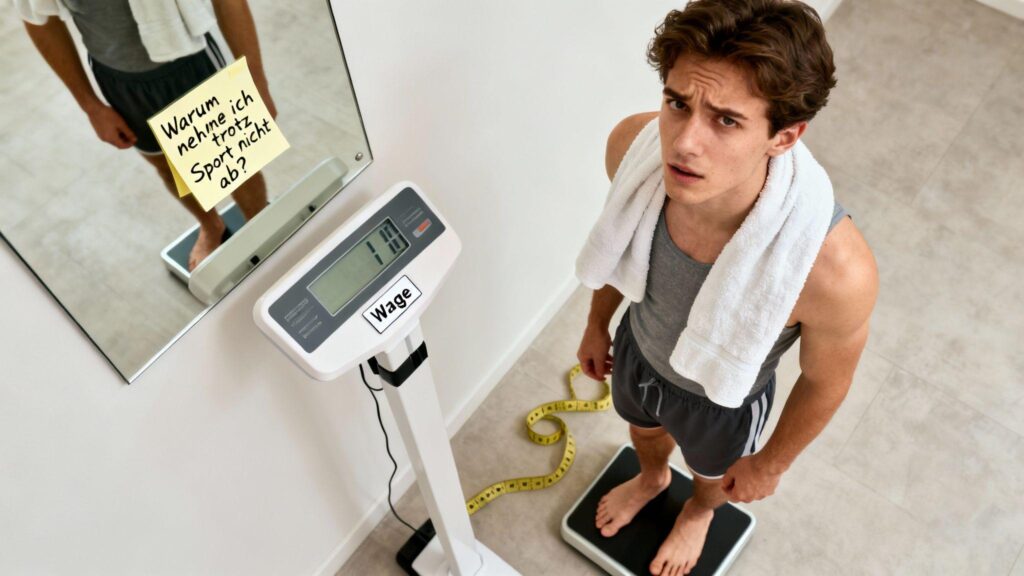
Many people begin a weight loss journey with confidence. They calculate their calories, track their meals, exercise regularly, and maintain what appears to be a calorie deficit. Yet after weeks of effort, the scale refuses to move.
This situation can be frustrating and confusing. After all, weight loss should occur when you consume fewer calories than you burn. However, several factors can interfere with expected results, making it seem as though your calorie deficit is not working.
If you’re wondering why you’re not losing weight in a calorie deficit, this guide explains the most common causes and what you can do to overcome them.
What Is a Calorie Deficit?
A calorie deficit occurs when you consume fewer calories than your body burns throughout the day.
Your body uses energy for:
- Basic bodily functions
- Digestion
- Daily activities
- Exercise
When calorie intake is lower than calorie expenditure, your body should theoretically use stored fat for energy, resulting in weight loss.

Are You Actually in a Calorie Deficit?
One of the most common reasons people fail to lose weight is that they are not truly in a calorie deficit.
Research consistently shows that people often underestimate calorie intake and overestimate calorie expenditure.
Common Tracking Mistakes
- Guessing portion sizes
- Forgetting snacks
- Ignoring cooking oils
- Not counting beverages
- Estimating restaurant meals inaccurately
Even small errors can add hundreds of calories per day.
Solution
Use a food scale whenever possible and track everything you consume, including sauces, drinks, and condiments.
Water Retention Can Hide Fat Loss
The scale measures total body weight, not just body fat.
Your body weight can fluctuate significantly because of:
- High sodium intake
- Increased carbohydrate consumption
- Hormonal changes
- Stress
- Intense exercise
In some cases, you may be losing fat while simultaneously retaining water, causing the scale to remain unchanged.
Solution
Track your weight consistently and compare weekly averages rather than daily numbers.
You Recently Started Exercising
Beginning a new workout program can temporarily increase water retention.
When muscles experience stress from training, they store additional water as part of the recovery process.
This effect can last for several weeks and may temporarily mask fat loss.
Solution
Continue exercising consistently and monitor body measurements alongside scale weight.
You Are Gaining Muscle While Losing Fat
Body recomposition occurs when fat decreases while muscle mass increases.
This is especially common among:
- Beginners
- Individuals returning to exercise
- People performing resistance training
Since muscle is denser than fat, the scale may not show significant changes even though body composition is improving.
Signs of Body Recomposition
- Clothes fit better
- Waist circumference decreases
- Strength improves
- Progress photos show visible changes
These indicators are often more meaningful than scale weight alone.
Your Metabolism Has Adapted
As you lose weight, your body naturally burns fewer calories.
This process is called metabolic adaptation.
Several factors contribute:
- Lower body weight
- Reduced calorie expenditure during movement
- Hormonal adjustments
- Reduced resting metabolic rate
As a result, the calorie deficit that initially produced weight loss may become smaller over time.
Solution
Recalculate your calorie needs after every 10–15 pounds of weight loss.
You Are Eating Too Little
Many people assume that cutting calories aggressively will accelerate weight loss.
In reality, extremely low-calorie diets can create problems:
- Increased hunger
- Lower energy levels
- Reduced workout performance
- Greater muscle loss
- Poor long-term adherence
Eventually, many people compensate by overeating during weekends or cheat meals.
Solution
Aim for a moderate calorie deficit that you can maintain consistently.
Stress May Be Affecting Your Progress
Chronic stress influences weight management in several ways.
High stress levels may:
- Increase appetite
- Trigger emotional eating
- Disrupt sleep
- Promote water retention
The hormone cortisol is often elevated during prolonged periods of stress, which can indirectly impact body weight.
Solution
Prioritize:
- Quality sleep
- Relaxation techniques
- Walking
- Meditation
- Stress management habits
Poor Sleep Can Slow Weight Loss
Sleep plays a major role in regulating hunger hormones.
Insufficient sleep may:
- Increase cravings
- Reduce satiety
- Impair recovery
- Lower exercise performance
Several studies have linked poor sleep with reduced weight loss success.
Solution
Aim for 7–9 hours of quality sleep each night.
Weekend Overeating
Many people follow their diet perfectly during the week but consume excess calories during weekends.
For example:
- 500-calorie daily deficit Monday through Friday
- 1,500–2,500 extra calories during the weekend
This can eliminate the weekly deficit entirely.
Solution
Focus on weekly calorie intake rather than daily perfection.
Hidden Liquid Calories
Liquid calories are often overlooked.
Common sources include:
- Coffee drinks
- Alcohol
- Juice
- Soda
- Smoothies
Because liquids are less filling than solid foods, they can contribute substantial calories without reducing hunger.
Solution
Track all beverages accurately.
Medical Conditions That May Affect Weight Loss
In some cases, medical issues can contribute to difficulty losing weight.
Examples include:
- Hypothyroidism
- Polycystic ovary syndrome (PCOS)
- Insulin resistance
- Certain medications
If you consistently maintain a verified calorie deficit without results, consult a healthcare professional.
How Long Should You Wait Before Making Changes?
Weight loss is rarely linear.
It is normal to experience:
- Weekly fluctuations
- Temporary plateaus
- Periods of slower progress
Many experts recommend waiting at least two to four weeks before making major adjustments to your calorie intake.
Consistency is often the missing ingredient.
Signs Your Fat Loss Plan Is Working
Even if the scale is moving slowly, positive signs include:
- Reduced waist measurements
- Improved energy levels
- Better fitness performance
- Looser clothing
- Improved body composition
These changes often occur before significant changes in scale weight.
Frequently Asked Questions
Why am I not losing weight despite eating fewer calories?
You may be underestimating calorie intake, retaining water, experiencing metabolic adaptation, or gaining muscle while losing fat.
Can stress prevent weight loss?
Stress can contribute to water retention, overeating, and hormonal changes that make weight loss more challenging.
How long should I stay in a calorie deficit?
Most people can safely remain in a moderate calorie deficit until they reach their goal weight, provided nutrition remains adequate.
Is it possible to lose fat without losing weight?
Yes. Body recomposition can occur when muscle gain offsets fat loss on the scale.
Conclusion
If you’re not losing weight in a calorie deficit, the issue is often more complex than simply eating too much or exercising too little. Factors such as inaccurate calorie tracking, water retention, stress, poor sleep, metabolic adaptation, and muscle gain can all influence your results.
Rather than relying solely on the scale, monitor multiple indicators of progress, including body measurements, fitness performance, and how your clothes fit. Consistency, patience, and accurate tracking remain the most effective tools for achieving sustainable weight loss.