
Meta Description
Discover how many calories you should eat to lose weight safely and effectively. Learn how to calculate your calorie needs, create a healthy calorie deficit, and achieve sustainable weight loss.
How Many Calories Should You Eat to Lose Weight?
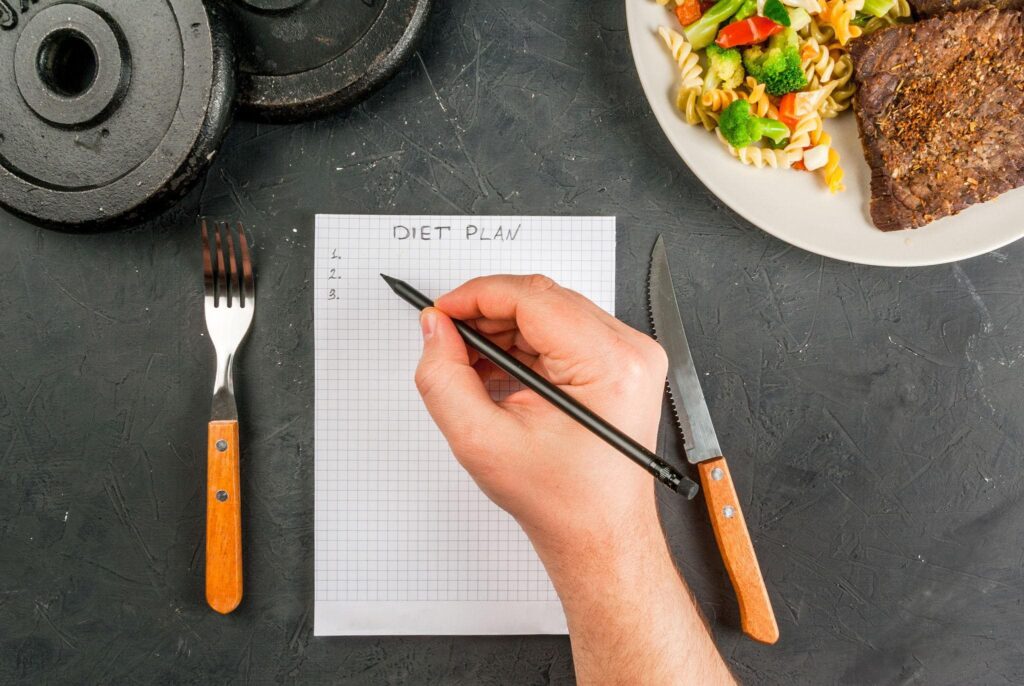
Losing weight often seems complicated because of the overwhelming amount of information available online. However, one principle remains at the center of successful weight loss: calories. Understanding how many calories you should eat each day can help you create a realistic and sustainable plan to achieve your weight loss goals.
In this guide, you’ll learn how calorie intake affects weight loss, how to calculate your daily calorie needs, and the healthiest way to create a calorie deficit without harming your health.
What Are Calories?
Calories are units of energy that your body uses to perform every function necessary for survival. From breathing and digesting food to exercising and thinking, your body relies on calories for energy.
The foods and beverages you consume provide calories. When you eat more calories than your body needs, the excess energy is stored as body fat. Conversely, when you consume fewer calories than your body burns, your body uses stored fat for energy, leading to weight loss.
Understanding the Calorie Deficit
A calorie deficit occurs when you consume fewer calories than your body burns each day.
For example:
- Calories burned daily: 2,500
- Calories consumed daily: 2,000
- Daily calorie deficit: 500
Since approximately 3,500 calories equal one pound (0.45 kg) of body fat, maintaining a 500-calorie daily deficit could help you lose about one pound per week.
A moderate calorie deficit is generally considered the safest and most sustainable approach to weight loss.
How to Calculate Your Daily Calorie Needs
The number of calories you need depends on several factors, including:
- Age
- Gender
- Weight
- Height
- Activity level
- Muscle mass
- Weight loss goals
Sedentary Adults
People with little or no exercise generally require:
- Women: 1,600–2,000 calories daily
- Men: 2,000–2,600 calories daily
Moderately Active Adults
Individuals who exercise 3–5 times per week typically require:
- Women: 1,800–2,200 calories daily
- Men: 2,400–2,800 calories daily
Highly Active Adults
People who exercise intensely or perform physically demanding jobs may require:
- Women: 2,200–2,800 calories daily
- Men: 2,800–3,500 calories daily
These numbers are estimates and can vary significantly between individuals.
How Many Calories Should You Eat to Lose Weight?
A common recommendation is to reduce daily calorie intake by 300 to 750 calories.
Mild Weight Loss
Reducing intake by 300–500 calories per day may result in:
- 0.5–1 pound (0.2–0.45 kg) lost weekly
Moderate Weight Loss
Reducing intake by 500–750 calories per day may result in:
- 1–1.5 pounds (0.45–0.7 kg) lost weekly
Most health experts recommend aiming for a loss of 1–2 pounds per week because it is sustainable and less likely to result in muscle loss.
Why Eating Too Few Calories Can Be Harmful
Many people believe that drastically cutting calories leads to faster weight loss. While this may initially produce rapid results, it often causes several problems:
Slower Metabolism
Your body adapts to very low calorie intake by reducing energy expenditure.
Muscle Loss
Insufficient calorie intake can cause your body to break down muscle tissue for energy.
Nutrient Deficiencies
Extreme dieting may result in inadequate intake of essential vitamins and minerals.
Increased Hunger
Very low-calorie diets often lead to intense cravings and overeating episodes.
For most adults, eating below 1,200 calories per day for women or 1,500 calories per day for men should only occur under medical supervision.
The Role of Protein in Weight Loss
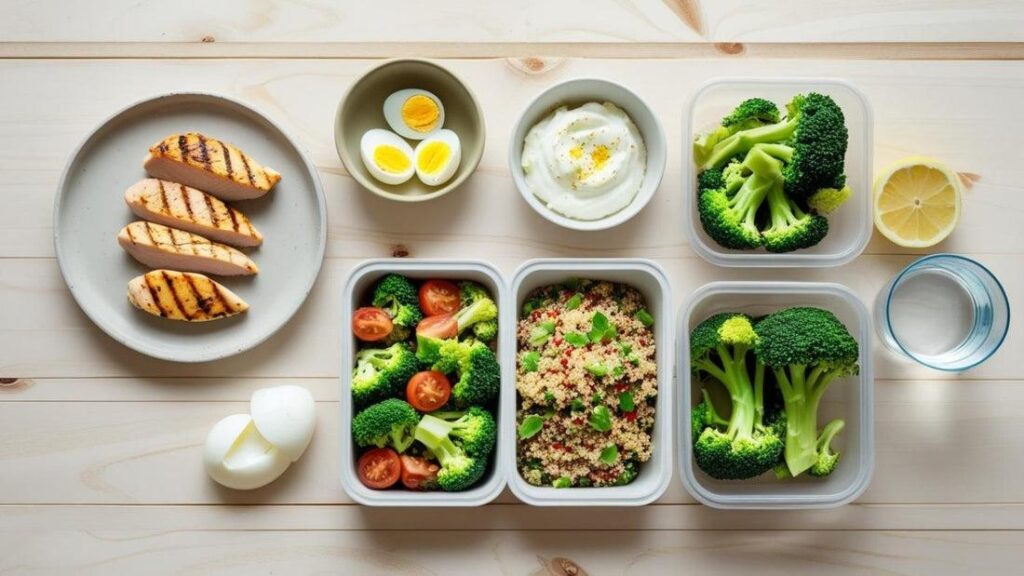
Protein plays a critical role during weight loss.
Benefits include:
- Preserving muscle mass
- Increasing feelings of fullness
- Reducing hunger
- Supporting metabolism
Good protein sources include:
- Chicken breast
- Turkey
- Fish
- Eggs
- Greek yogurt
- Cottage cheese
- Lentils
- Beans
- Tofu
Many experts recommend consuming protein with every meal.
Quality Matters More Than Calories Alone
Although calorie balance is important, food quality significantly affects your success.
Choose Nutrient-Dense Foods
Focus on:
- Vegetables
- Fruits
- Lean proteins
- Whole grains
- Healthy fats
Limit Highly Processed Foods
Reduce consumption of:
- Sugary drinks
- Candy
- Fast food
- Packaged snacks
- Refined carbohydrates
These foods are often high in calories but low in nutrients and satiety.
How Exercise Helps Create a Calorie Deficit
While nutrition plays the largest role in weight loss, exercise can accelerate results.
Cardiovascular Exercise
Examples include:
- Walking
- Running
- Cycling
- Swimming
Cardio helps burn additional calories.
Strength Training
Strength training helps:
- Preserve muscle mass
- Increase metabolism
- Improve body composition
Combining resistance training with a calorie deficit often produces the best long-term results.
Common Mistakes When Counting Calories
Underestimating Portion Sizes
Many people accidentally consume more calories than they realize.
Forgetting Liquid Calories
Coffee drinks, soda, juice, and alcohol can contribute hundreds of calories daily.
Ignoring Cooking Oils
Even healthy oils contain significant calories.
Tracking Inconsistently
Accurate tracking improves awareness and increases success rates.
Signs Your Calorie Intake Is Appropriate
You are likely eating the right amount of calories for weight loss if:
- Weight decreases gradually
- Energy levels remain stable
- Hunger is manageable
- Workouts remain productive
- You can maintain the plan long-term
Sustainable habits are far more important than rapid short-term results.
Frequently Asked Questions
Is 1,200 calories enough for weight loss?
For some smaller, sedentary women, it may be sufficient. However, many adults require more calories to maintain health and energy levels.
Can I lose weight without counting calories?
Yes. Focusing on portion control, whole foods, and regular physical activity can naturally reduce calorie intake.
How fast should I lose weight?
Most experts recommend losing 1–2 pounds (0.45–0.9 kg) per week.
Should I eat back exercise calories?
It depends on your goals and activity level. Many people achieve better results by only partially replacing calories burned through exercise.
Conclusion
Determining how many calories you should eat to lose weight depends on your age, activity level, body size, and goals. The key is creating a moderate calorie deficit that supports steady fat loss without compromising health or energy levels.
Rather than focusing solely on eating less, prioritize nutrient-dense foods, adequate protein, regular exercise, and consistency. Sustainable habits lead to lasting results, making weight loss easier to maintain over time.