Quick Summary
Reading Time: 9–10 minutes
Who this guide is for: Anyone looking to support a weight loss journey with smarter beverage choices, alongside a balanced diet and regular exercise.
Key Takeaways:
- No single drink burns fat on its own — but the right choices can reduce liquid calories and support appetite control.
- Water, green tea, and black coffee are among the most evidence-backed options.
- Sugary drinks, including juice and soda, are among the easiest places to cut hidden calories.
- Pairing healthy drinks with a calorie-aware diet and consistent movement produces the best long-term results.
Introduction
When people think about losing weight, they usually picture food — portion sizes, meal plans, and calorie counting. But what you drink matters just as much. Sugary beverages can quietly add hundreds of extra calories to your day without making you feel full, while the right drinks can support hydration, curb unnecessary snacking, and complement a calorie-controlled diet.
This guide walks through the best healthy drinks for weight loss, explains how they work, and highlights which beverages are worth limiting. It’s important to set expectations from the start: no drink causes weight loss by itself. Sustainable results come from a combination of smart beverage choices, balanced nutrition, and regular physical activity — not shortcuts.
How Healthy Drinks Support Weight Loss
Choosing the right beverages supports weight loss in several practical ways:
- Hydration: Staying well-hydrated helps your body function efficiently, supports digestion, and can reduce the tendency to mistake thirst for hunger.
- Appetite control: Certain drinks, particularly water and high-protein beverages, can promote feelings of fullness before or between meals.
- Low-calorie alternatives: Swapping soda or juice for water, tea, or sparkling water removes a major source of “invisible” calories.
- Reduced sugar intake: Cutting sweetened drinks lowers added sugar consumption, which the World Health Organization recommends limiting to less than 10% of total daily energy intake, and ideally under 5% for additional health benefits (WHO, who.int).
- Supporting healthy eating habits: Replacing high-calorie drinks with lighter options makes it easier to stay within a daily calorie target without feeling deprived.
None of these effects are dramatic on their own, but together they can meaningfully support a broader weight management plan.
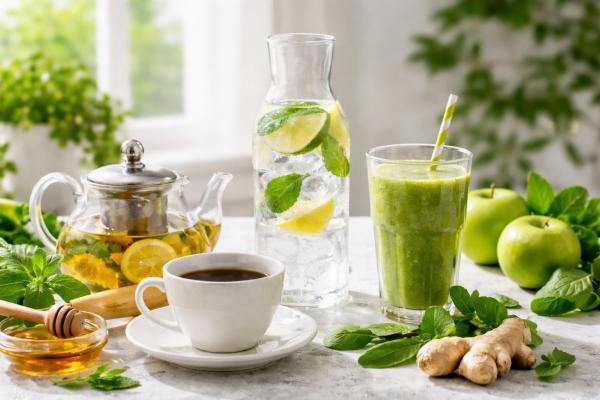
10 Best Healthy Drinks for Weight Loss
1. Water
- Calories: 0
- Nutritional benefits: Essential for digestion, circulation, and temperature regulation.
- Weight loss benefits: Drinking water before meals can promote a feeling of fullness, potentially reducing portion sizes.
- Best time to drink: Upon waking, before meals, and throughout the day.
- Precautions: None for most healthy adults; extreme overconsumption should be avoided.
2. Green Tea
- Calories: Roughly 2–5 per cup (unsweetened)
- Nutritional benefits: Contains catechins, particularly EGCG, and a modest amount of caffeine.
- Weight loss benefits: Some research suggests green tea catechins may modestly support metabolic rate and fat oxidation, though effects are generally small.
- Best time to drink: Mid-morning or early afternoon.
- Precautions: Contains caffeine; avoid excessive intake late in the day or on an empty stomach if sensitive.
3. Black Coffee
- Calories: Around 2 per cup (plain, no additives)
- Nutritional benefits: Contains antioxidants and caffeine.
- Weight loss benefits: Caffeine may temporarily boost metabolism and reduce perceived hunger.
- Best time to drink: Morning or early afternoon.
- Precautions: Avoid adding sugar or high-calorie creamers; limit intake if sensitive to caffeine or if it affects sleep.
4. Herbal Tea
- Calories: 0
- Nutritional benefits: Varies by type; often contains soothing plant compounds without caffeine.
- Weight loss benefits: A satisfying, calorie-free alternative to sweetened beverages, especially in the evening.
- Best time to drink: Evening, as a substitute for dessert drinks or snacks.
- Precautions: Check specific herbs if pregnant or on medication.
5. Sparkling Water
- Calories: 0 (plain, unsweetened)
- Nutritional benefits: Hydration with added carbonation for those who want variety.
- Weight loss benefits: A satisfying substitute for soda that can help curb cravings for fizzy, sweet drinks.
- Best time to drink: Anytime, especially as a soda replacement.
- Precautions: Choose unsweetened varieties; some flavored versions contain added sugar.
6. Lemon Water
- Calories: Roughly 5–10 per glass
- Nutritional benefits: Contains vitamin C and adds flavor without significant calories.
- Weight loss benefits: May encourage higher water intake simply because it tastes more appealing to some people.
- Best time to drink: Morning or throughout the day.
- Precautions: Citrus acidity may affect tooth enamel over time; consider drinking through a straw.
7. Protein Shake
- Calories: 100–200 per serving (varies by recipe)
- Nutritional benefits: Provides protein, which supports muscle maintenance and satiety.
- Weight loss benefits: Protein is one of the most filling macronutrients, which can help reduce overall calorie intake later in the day.
- Best time to drink: After exercise or as a meal replacement when balanced appropriately.
- Precautions: Watch for added sugars in flavored or pre-made shakes; portion control matters.
8. Vegetable Juice
- Calories: 40–70 per cup (unsweetened, vegetable-based)
- Nutritional benefits: Provides vitamins, minerals, and some fiber if not overly strained.
- Weight loss benefits: A lower-calorie alternative to fruit juice that still delivers nutrients.
- Best time to drink: With a meal or as a light snack.
- Precautions: Choose low-sodium options; juicing removes some fiber compared to whole vegetables.
9. Unsweetened Almond Milk
- Calories: Around 30–40 per cup
- Nutritional benefits: Lower in calories than dairy milk, often fortified with vitamin E and calcium.
- Weight loss benefits: A lighter substitute in coffee, smoothies, or cereal compared to whole milk or sweetened alternatives.
- Best time to drink: Anytime, as a milk substitute.
- Precautions: Check labels carefully, as some varieties contain added sugar; not suitable for those with nut allergies.
10. Apple Cider Vinegar Drink
- Calories: Around 3–10 per serving (1–2 tablespoons diluted in water)
- Nutritional benefits: Contains acetic acid; some evidence suggests modest effects on post-meal blood sugar response.
- Weight loss benefits: May contribute to a slight increase in fullness when taken before meals, though evidence for significant weight loss is limited.
- Best time to drink: Diluted in water, before meals.
- Precautions: Always dilute before drinking; undiluted vinegar can damage tooth enamel and irritate the throat. Consult a doctor if you have digestive conditions.
Drinks to Avoid
Some beverages work against weight loss goals by adding calories without meaningful nutrition:
- Sugary soda: High in added sugar with essentially no nutritional value.
- Energy drinks: Often loaded with sugar and stimulants; can disrupt sleep, which is linked to weight regulation.
- Sweetened coffee drinks: Flavored lattes and specialty coffees can contain as many calories as a full meal.
- Sweetened fruit juice: Even 100% fruit juice is calorie-dense and lacks the fiber of whole fruit.
- Alcoholic beverages: Alcohol is calorie-dense, can lower inhibitions around food choices, and offers little nutritional benefit.
Limiting these drinks is one of the simplest ways to reduce daily calorie intake without changing anything else about your diet.
Comparison Table
| Drink | Calories (approx.) | Sugar | Protein | Best Time to Drink | Weight Loss Rating |
|---|---|---|---|---|---|
| Water | 0 | None | None | Anytime | ★★★★★ |
| Green Tea | 2–5 | None | None | Morning/Afternoon | ★★★★☆ |
| Black Coffee | 2 | None | None | Morning | ★★★★☆ |
| Herbal Tea | 0 | None | None | Evening | ★★★★☆ |
| Sparkling Water | 0 | None | None | Anytime | ★★★★☆ |
| Lemon Water | 5–10 | Low | None | Morning | ★★★★☆ |
| Protein Shake | 100–200 | Varies | High | Post-workout | ★★★★☆ |
| Vegetable Juice | 40–70 | Low | Low | With meals | ★★★☆☆ |
| Unsweetened Almond Milk | 30–40 | None | Low | Anytime | ★★★☆☆ |
| Apple Cider Vinegar Drink | 3–10 | None | None | Before meals | ★★★☆☆ |
Common Mistakes
- Drinking sugary smoothies: Smoothies can pack in more sugar and calories than a can of soda if loaded with fruit, honey, or sweetened yogurt.
- Assuming detox drinks burn fat: No “detox” tea or juice has been shown to burn fat directly; the body already detoxifies itself through the liver and kidneys.
- Ignoring liquid calories: Many people track food carefully but forget that coffee creamers, juices, and cocktails also count toward daily intake.
- Drinking too little water: Mild dehydration can be mistaken for hunger, leading to unnecessary snacking.
Expert Tips
- Start your day with a glass of water before reaching for coffee or tea.
- Keep a reusable water bottle visible as a simple reminder to hydrate throughout the day.
- Replace one sugary drink per day with a zero-calorie alternative as a gradual, sustainable change.
- Pair protein shakes with whole foods rather than using them as a full meal replacement long-term.
- According to Harvard T.H. Chan School of Public Health, choosing water or unsweetened beverages over sugar-sweetened drinks is one of the most effective ways to reduce added sugar and excess calorie intake (Harvard T.H. Chan School of Public Health, hsph.harvard.edu).
- Track your beverage intake for a few days to identify hidden liquid calories you may be overlooking.
Frequently Asked Questions
1. Can drinking water alone help me lose weight? Water alone won’t cause weight loss, but drinking it before meals may reduce portion sizes and support overall calorie control.
2. Is green tea really effective for weight loss? Green tea may offer a small metabolic boost, but the effect is modest and works best alongside a balanced diet.
3. Does black coffee help burn fat? Caffeine can slightly increase metabolism and reduce appetite temporarily, but it’s not a substitute for a healthy diet.
4. Is apple cider vinegar a proven weight loss remedy? Evidence is limited and effects are generally small. It should be diluted and used cautiously, not as a primary weight loss strategy.
5. Are protein shakes good for weight loss? Yes, when used to replace less filling, higher-calorie options — but they should complement, not replace, whole foods most of the time.
6. Is fruit juice a healthy choice for weight loss? Not usually. Even 100% fruit juice is calorie-dense and lacks the fiber found in whole fruit, which supports fullness.
7. Can I drink alcohol while trying to lose weight? Moderation is key. Alcohol adds calories and can lower inhibitions around food choices, making weight loss goals harder to maintain.
8. How much water should I drink daily to support weight loss? Needs vary by individual, activity level, and climate. General hydration guidelines suggest listening to thirst cues and monitoring urine color as a simple hydration check.
9. Are detox teas or juices necessary for weight loss? No. The liver and kidneys naturally detoxify the body; no special drink is required for this process.
10. What’s the single best drink for weight loss? Plain water remains the most consistently recommended choice due to its zero-calorie content and role in hydration and appetite regulation.
Final Thoughts
Choosing the best healthy drinks for weight loss is a simple but effective strategy to support a broader health plan. Water, green tea, black coffee, and other low-calorie options can help reduce unnecessary sugar and calories, while sugary sodas, sweetened coffee drinks, and alcohol are worth limiting. Remember, though: no beverage replaces the fundamentals of sustainable weight loss — a balanced diet, portion awareness, and regular physical activity. Small, consistent changes to what you drink each day can add up to meaningful results over time.
For more on related topics, see: How Much Water Should You Drink to Lose Weight?, Best Low-Calorie Snacks for Weight Loss, Healthy Meal Plan for Weight Loss (7-Day Guide), and How to Count Calories for Weight Loss.