
Reading Time: 9 minutes
Who this guide is for: Adults considering intermittent fasting for weight management, particularly those with overweight or obesity who want to understand the evidence, benefits, and potential drawbacks before starting.
Key Takeaways: Intermittent fasting (IF) is a popular approach that focuses on when you eat rather than what you eat. Research shows it can be as effective as traditional calorie counting for weight loss . It may improve insulin sensitivity and metabolic health, but it is not a magic solution and comes with risks like hunger, fatigue, and potential nutrient deficiencies. Sustainability and individual suitability are crucial for success.
Introduction
Intermittent fasting has become one of the most talked-about health trends in recent years. With an estimated 13% of adults in the USA practicing it, it is now the third most commonly followed diet . But what exactly is it, and more importantly, is intermittent fasting for weight loss effective and safe?
Unlike traditional diets that tell you what to eat, intermittent fasting focuses on when you eat. It involves cycling between periods of eating and voluntary fasting. Many people are drawn to its simplicity—there is no need for constant calorie counting or complex meal plans. But the key to its success for weight loss still hinges on maintaining a calorie deficit .
This article provides a comprehensive, evidence-based look at intermittent fasting. We will explore how it works, its benefits and risks, popular methods, and expert tips to help you decide if it is the right approach for your health goals.
What Is Intermittent Fasting?
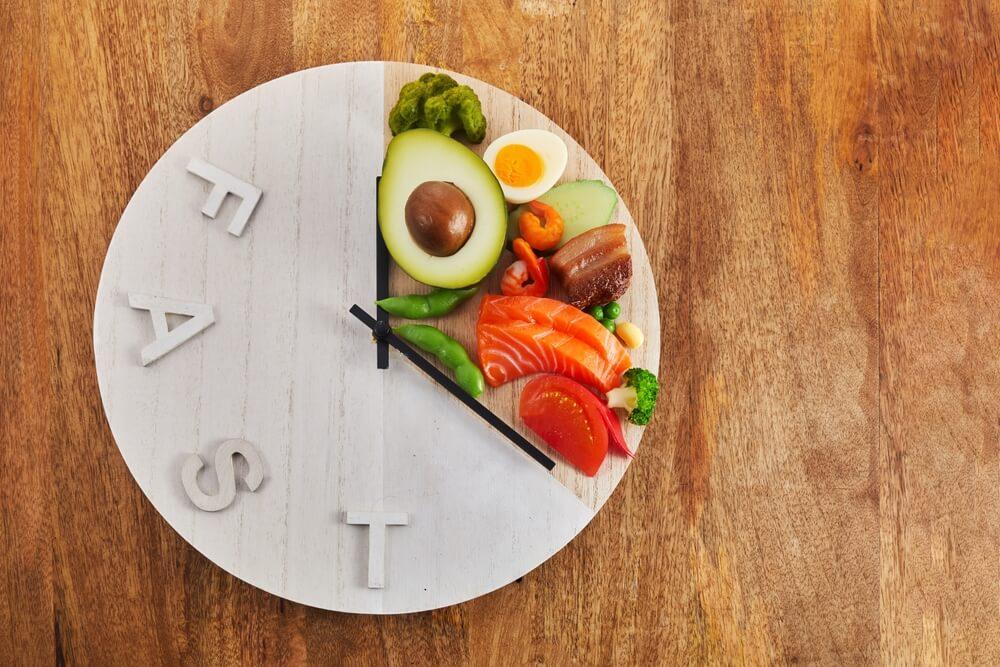
Intermittent fasting is an eating pattern that alternates between periods of eating and not eating (fasting) . It is defined not as a specific diet composition, but as an umbrella term for various eating patterns that cycle between periods of voluntary fasting and eating .
The mechanism behind IF is a “metabolic switch.” During a fast, the body shifts from using glucose (derived from recent meals) as its primary fuel source to using fatty acids and ketone bodies derived from stored adipose tissue. This transition is believed to trigger various cellular repair processes and metabolic improvements that are not activated during standard eating patterns .
Popular Intermittent Fasting Methods
There are several methods of intermittent fasting, each with a different schedule. Here is a comparison of the most common approaches:

Benefits of Intermittent Fasting for Weight Loss
Intermittent fasting has been associated with several health benefits, particularly for weight management. Here is what the evidence says:
Easier Calorie Control
The primary reason for weight loss with IF is its role in reducing overall energy intake . By limiting the time available to eat, many people naturally consume fewer calories without the burden of tracking every meal . A systematic review found that limiting eating to a 10-hour or shorter window can reduce energy intake by around 200–500 kcal per day .
Improved Insulin Sensitivity
One of the most significant benefits of IF is its positive effect on insulin sensitivity . Fasting periods give the body a break from constant insulin production, which can help lower insulin resistance and improve blood sugar control. In adults with type 2 diabetes, various IF approaches have been shown to reduce HbA1c (a measure of long-term blood sugar control) by 0.3–1.2% .
Fat Loss
The “metabolic switch” from using glucose to using fats and ketones for energy promotes fat burning . A 5–10% reduction in body weight within six months has been observed with IF, which can also enhance glycemic control, blood pressure, and lipid profiles .
Appetite Management
Fasting can modulate appetite-regulating hormones like leptin and adiponectin . While hunger can be an initial side effect, many people find that their appetite decreases over time as their body adapts to the new eating pattern.
Simplicity
For many, the appeal of IF lies in its simplicity. As one dietitian noted, “It’s very easy to do. You don’t have to track your meals or count calories. It’s something you can fit easily into your life” . Not having to track calories is important because traditional calorie-counting diets often have high attrition rates from the burden of tracking .
Potential Risks and Side Effects
While intermittent fasting can be beneficial for many, it is not suitable for everyone and comes with potential risks.
Hunger, Fatigue, and Headaches
Short-term side effects like hunger, irritability, headaches, and fatigue are common, especially during the first week as the body adjusts . These symptoms typically resolve as the body adapts to using fat for fuel more efficiently.
Nutrient Deficiencies
If meals during the eating window are not well-balanced, there is a risk of not getting enough essential vitamins, minerals, and macronutrients. As one expert cautions, “Eating during a very small window and not focusing on healthy eating can be nutritionally inadequate” .
Muscle Loss
If protein intake is inadequate during the eating window, there is a risk of losing muscle mass along with fat . This is particularly a concern for older adults or those with or at risk for sarcopenia (age-related muscle loss) .
Who Should Avoid Intermittent Fasting?
Intermittent fasting is not recommended for everyone. The following groups should avoid IF or only practice it with strict clinical supervision :
- Pregnant or breastfeeding women
- Children, teenagers, or young adults who are still growing
- Individuals with a history of eating disorders
- People with uncontrolled diabetes (especially type 1 diabetes)
- Frail older adults
- Individuals with low blood pressure
- People taking medications that require consistent food intake (e.g., blood thinners, diuretics, blood pressure medications, or medications that affect blood sugar)
Best Foods to Eat During Eating Windows
The quality of your food during eating windows is crucial for maximizing the benefits of intermittent fasting and minimizing nutrient deficiencies.
Emphasize Nutrient-Dense Foods
Meals should emphasize:
- Lean Proteins: Chicken, fish, tofu, legumes, eggs.
- Colorful Vegetables: Broccoli, spinach, bell peppers, cauliflower.
- Whole-Food Carbohydrates: Whole grains (quinoa, brown rice), sweet potatoes.
- Healthy Fats: Avocado, olive oil, nuts, seeds.
These foods support body composition, stabilize energy, and help avoid micronutrient gaps .
Prioritize Protein
To minimize muscle loss, ensure adequate protein intake. Protein also promotes satiety, which can help control appetite between meals.
Stay Hydrated
Drink plenty of water during both fasting and eating windows. Staying hydrated helps reduce headaches and fatigue .
Common Mistakes
Starting intermittent fasting can be straightforward, but several common pitfalls can undermine results and overall health.
- Overeating After Fasting: Just because you have a shorter eating window does not mean you can eat unlimited amounts of unhealthy food. Overeating junk food can negate the calorie deficit created by fasting .
- Not Drinking Enough Water: Dehydration is a common cause of headaches and fatigue during fasting. Aim for adequate water intake throughout the day.
- Eating Too Little Protein: A lack of protein during the eating window can lead to muscle loss, which slows metabolism. Ensure each meal contains a good source of protein.
- Poor Sleep: Inadequate sleep can disrupt hunger hormones, making fasting more difficult and potentially leading to overeating.
- Choosing Ultra-Processed Foods: Eating high-calorie, low-nutrient foods during your window can lead to nutrient deficiencies and hinder progress.
Expert Tips
Here are some evidence-based recommendations for a successful and safe intermittent fasting experience.
Start Small: If you are new to fasting, ease into it. Start by shortening your eating window by an hour (e.g., 12-hour fast, 12-hour eat) or even just by avoiding late-night snacking . This can be an easy way to give your body time to lower blood sugar between meals.
Choose a Schedule That Fits Your Life: If family dinners are important to you, fasting in the evening might not be sustainable. Think about your lifestyle and choose a protocol that best fits your routine. Recent studies suggest that eating earlier in the day may be more beneficial, but consistency is key .
Plan Ahead: Plan and prep healthy meals ahead of time so you have nutritious food ready to eat once your eating window opens. This reduces the likelihood of reaching for less-healthy snacks .
Don’t Overdo It: Avoid extremely restrictive plans like eating only one meal a day. “It’s hard to get enough vitamins, minerals, and other nutrients if you’re eating just once a day,” cautions one expert .
Focus on Healthy Eating: Intermittent fasting is not a substitute for healthy eating. As Mary Hyer, RD, LDN, CCRP, emphasizes, “You still have to make sure you’re picking healthy foods. But intermittent fasting is one tool that can kickstart a healthy lifestyle change” .
Consult Your Doctor: It is always a good idea to speak to a healthcare provider before making significant dietary changes, especially if you have health conditions or take medications .
Frequently Asked Questions
1. Is intermittent fasting better than traditional calorie counting?
Answer: No. Evidence from the gold-standard Cochrane review shows that intermittent fasting results in nearly identical weight loss, quality of life, and adverse events as conventional dieting . The key difference is that some people find IF easier to adhere to than daily calorie counting.
2. Can intermittent fasting help with type 2 diabetes?
Answer: Yes, with medical supervision. Over 28 clinical trials in people with type 2 diabetes show IF can reduce HbA1c (by 0.3–1.2%) and body weight . However, medication adjustments may be needed to prevent hypoglycemia . It is not recommended for type 1 diabetes due to insufficient data .
3. Is it okay to exercise while fasting?
Answer: Yes, but listen to your body. Many people exercise in a fasted state, but it can be more difficult, especially at first. Staying well-hydrated is crucial, and you may need to adjust the intensity of your workouts.
4. Can I drink coffee or tea during the fast?
Answer: Yes, but it should be black (no sugar, cream, or milk). Zero-calorie drinks like plain water, black coffee, and unsweetened tea are generally permitted during the fasting period.
5. What can I eat on fasting days with the 5:2 diet?
Answer: On fasting days, you typically limit intake to 500–600 calories. This could be one small meal or two very small meals spread out during the day. Focus on high-protein, high-fiber foods to maximize fullness.
6. Does intermittent fasting slow metabolism?
Answer: There is some concern that prolonged fasting could reduce metabolic rate over time, but evidence is mixed . IF typically involves eating windows long enough to maintain energy levels. The most significant factor in metabolism is preserving muscle mass through adequate protein intake.
7. How long does it take to see results from intermittent fasting?
Answer: Results vary by individual and depend on adherence, calorie intake, and lifestyle. Studies often show positive effects within 8 to 12 weeks . Weight loss of 1-2 kg more than regular diets can be seen, but individual results may vary .
8. Can intermittent fasting cause hair loss?
Answer: Hair loss is generally a sign of nutrient deficiency, severe calorie restriction, or stress rather than a direct effect of fasting itself. Ensuring a nutrient-dense diet with adequate protein, iron, and vitamins can help prevent this.
Final Thoughts
Intermittent fasting is a promising dietary approach that can be an effective tool for intermittent fasting for weight loss and metabolic health. Its simplicity and flexibility make it an attractive option for many. However, the evidence shows that it is not superior to traditional calorie counting for weight loss . Its main advantage may be in its adherence.
Ultimately, the best diet is the one you can sustain. If the structure of IF appeals to you and it fits your lifestyle, it can be a safe and effective way to manage your weight. However, it is not a one-size-fits-all solution. Pregnancy, history of eating disorders, type 1 diabetes, and certain medications are clear contraindications .
Before starting any diet, including intermittent fasting, it’s wise to consult with a healthcare provider or registered dietitian. They can help you evaluate the risks and benefits, choose the right protocol, and create a plan that supports your overall health and well-being.