
Quick Summary
Reading Time: 9–10 minutes Who this guide is for: Anyone who wants a simple, sustainable morning routine that supports weight loss without feeling restrictive or complicated.
Key Takeaways
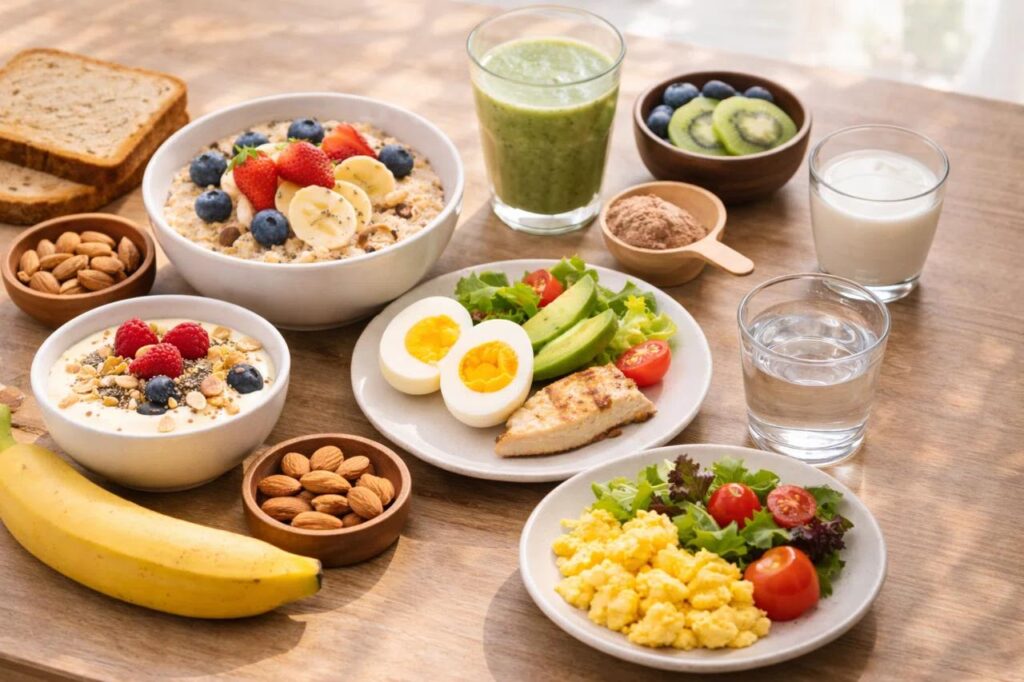
- The best breakfast for weight loss combines protein, fiber, and healthy fats to keep you full and energized.
- Breakfast isn’t mandatory for weight loss, but a well-planned one can help control appetite and reduce impulsive snacking later.
- Overall calorie intake and food quality across the whole day still matter more than any single meal.
- Small, consistent swaps — like choosing eggs over pastries — add up to meaningful long-term results.
Introduction
Mornings can set the tone for the rest of your eating day. Choosing the best breakfast for weight loss isn’t about finding one magic food — it’s about combining the right nutrients to stay satisfied for hours. That said, breakfast alone won’t cause weight loss. What you eat throughout the entire day, alongside your total calorie intake, plays the biggest role. Still, a smart breakfast can make it easier to avoid mid-morning cravings and stay on track with your goals.
Why Breakfast Matters for Weight Loss
A thoughtful breakfast can influence your entire day in several ways:
- Appetite control: A protein- and fiber-rich breakfast helps reduce hunger hormones, making it easier to avoid overeating later.
- Energy levels: Balanced meals in the morning help prevent the energy crashes that often lead to reaching for quick, sugary snacks.
- Blood sugar balance: Pairing protein, fiber, and healthy fats slows glucose absorption, avoiding sharp blood sugar spikes and dips.
- Protein intake: Starting the day with protein makes it easier to hit your daily protein target, which supports satiety and muscle maintenance.
- Healthy eating habits: A consistent, nutrient-dense breakfast routine often carries over into better choices for the rest of the day.
What Makes a Healthy Weight Loss Breakfast?
Not all breakfasts are created equal. The most effective ones typically include:
- High protein — supports fullness and helps preserve lean muscle.
- High fiber — slows digestion and extends satiety.
- Healthy fats — add flavor and satisfaction in moderate amounts.
- Whole grains — provide steady energy without rapid blood sugar spikes.
- Low added sugar — helps avoid energy crashes and unnecessary calories.
15 Best Breakfast Foods for Weight Loss
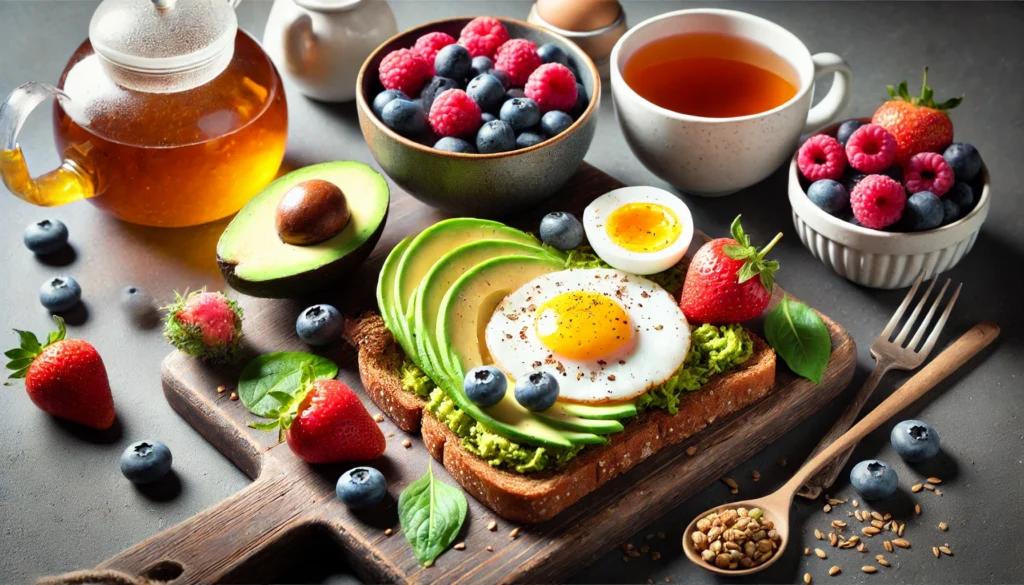
1. Eggs
- Calories: ~70 per egg | Protein: ~6g
- A complete protein source that’s highly satiating.
- Supports steady energy and helps control mid-morning hunger.
2. Greek Yogurt
- Calories: ~59 per 100g | Protein: ~10g
- Rich in protein and gut-friendly probiotics.
- Slow-digesting, which helps extend fullness.
3. Oatmeal
- Calories: ~68 per 100g cooked | Protein: ~2.5g
- High in soluble fiber that supports digestion and satiety.
- A steady energy source that avoids quick blood sugar spikes.
4. Cottage Cheese
- Calories: ~98 per 100g | Protein: ~11g
- High in slow-digesting casein protein.
- Keeps you full for longer with relatively few calories.
5. Chia Pudding
- Calories: ~486 per 100g dry seeds (small servings used) | Protein: ~17g per 100g
- Rich in fiber and omega-3 fatty acids.
- Absorbs liquid to create a filling, gel-like texture.
6. Smoothies
- Calories: Varies by ingredients | Protein: Varies (higher with added protein powder or yogurt)
- A flexible way to combine protein, fruit, and fiber.
- Easy to customize for portion and calorie control.
7. Whole-Grain Toast
- Calories: ~70–90 per slice | Protein: ~3–4g
- Provides fiber and steady-release carbohydrates.
- Pairs well with protein toppings like eggs or nut butter.
8. Avocado
- Calories: ~160 per 100g | Protein: ~2g
- Rich in monounsaturated fats and fiber.
- Adds satisfying richness and helps slow digestion.
9. Berries
- Calories: ~32–57 per 100g depending on type | Protein: ~1g
- High in fiber and antioxidants with relatively few calories.
- A naturally sweet addition that helps limit added sugar.
10. Bananas
- Calories: ~89 per 100g | Protein: ~1.1g
- Provide quick, natural energy along with potassium.
- Best paired with protein to help balance blood sugar response.
11. Peanut Butter
- Calories: ~588 per 100g (used in small portions) | Protein: ~25g per 100g
- Combines protein and healthy fats for lasting fullness.
- Best measured in tablespoons to manage calorie density.
12. Spinach
- Calories: ~23 per 100g | Protein: ~2.9g
- Extremely low in calories while adding volume and nutrients.
- A simple way to boost fiber in eggs or smoothies.
13. Smoked Salmon
- Calories: ~117 per 100g | Protein: ~18g
- A lean protein source rich in omega-3 fatty acids.
- Pairs well with whole-grain toast for a filling, balanced meal.
14. Quinoa
- Calories: ~120 per 100g cooked | Protein: ~4.4g
- A complete plant protein and fiber-rich whole grain.
- Adds staying power when used as a savory breakfast base.
15. Tofu Scramble
- Calories: ~76 per 100g | Protein: ~8g
- A plant-based, complete protein alternative to eggs.
- Absorbs seasoning well, making it a versatile savory option.
Breakfast Foods to Limit
Some popular breakfast choices can work against weight loss goals:
- Sugary cereals: Often high in added sugar with little fiber or protein to promote fullness.
- Pastries: Typically calorie-dense with refined carbohydrates and added sugar.
- Sweetened coffee drinks: Can contain surprisingly high amounts of sugar and calories.
- Processed breakfast meats: Often high in sodium and saturated fat; better enjoyed occasionally rather than daily.
These foods aren’t strictly “off-limits,” but eating them in moderation supports better appetite control and calorie management.
7-Day Healthy Breakfast Meal Plan
| Day | Breakfast Idea |
|---|---|
| Monday | Scrambled eggs with spinach and whole-grain toast |
| Tuesday | Greek yogurt with berries and a sprinkle of chia seeds |
| Wednesday | Oatmeal topped with banana and peanut butter |
| Thursday | Smoothie with spinach, protein powder, and frozen fruit |
| Friday | Smoked salmon on whole-grain toast with avocado |
| Saturday | Tofu scramble with vegetables |
| Sunday | Cottage cheese with berries and a few nuts |
Common Breakfast Mistakes
- Skipping protein: Leads to quicker hunger and less satiety throughout the morning.
- Drinking sugary beverages: Adds calories without meaningfully improving fullness.
- Oversized portions: Even healthy foods can add up if portions aren’t mindful.
- Eating too little: Can trigger overeating later in the day.
- Choosing refined carbohydrates: Often leads to quick energy spikes followed by crashes and cravings.
Expert Tips
- Aim to include a source of protein at every breakfast, even if it’s a small one.
- Pair carbohydrates with protein or fat to help stabilize blood sugar.
- Prepare breakfast components ahead of time to avoid reaching for convenient, less nutritious options.
- Pay attention to hunger cues rather than following rigid rules about breakfast timing.
- Keep breakfast simple and repeatable — consistency matters more than variety.
Frequently Asked Questions
What is the best breakfast for weight loss? A breakfast combining protein, fiber, and healthy fats — such as eggs with vegetables or Greek yogurt with berries — tends to be most effective for satiety and weight management.
Is skipping breakfast bad for weight loss? Not necessarily. What matters most is your total daily calorie intake and food quality, not whether you eat breakfast specifically.
How much protein should be in a weight loss breakfast? Aiming for roughly 20–30 grams of protein at breakfast can meaningfully support fullness and help meet daily protein goals.
Are smoothies good for weight loss? Yes, when portioned carefully and built with protein, fiber, and controlled amounts of fruit rather than added sugars.
Can I eat oatmeal every day for weight loss? Yes — oatmeal is a fiber-rich, versatile option that works well daily when paired with protein toppings.
Is fruit okay for a weight loss breakfast? Yes — whole fruit provides fiber and nutrients and can be part of a balanced, weight-loss-friendly breakfast.
What should I avoid for breakfast when trying to lose weight? Sugary cereals, pastries, and sweetened coffee drinks are best limited due to their added sugar and low satiety value.
How can meal prep help with breakfast and weight loss? Preparing breakfast components in advance reduces the temptation to grab quick, less nutritious options on busy mornings.
Final Thoughts
There’s no single perfect meal, but understanding what makes the best breakfast for weight loss — protein, fiber, and healthy fats — gives you a simple framework to build from. Focus on balanced nutrition, mindful portions, and consistency rather than chasing a “perfect” morning routine. For a broader picture of your weight loss approach, check out our guides on How Many Calories Should You Eat to Lose Weight?, Best High-Protein Foods for Weight Loss, Best Low-Calorie Snacks for Weight Loss, and How to Lose Belly Fat Naturally.
Sources referenced for general accuracy: Harvard T.H. Chan School of Public Health, Academy of Nutrition and Dietetics, USDA, World Health Organization (WHO).
Related Articles