
Reading Time: 10 minutes
Who this guide is for: Anyone who wants to learn a practical, sustainable approach to calorie counting for weight loss without obsessing over numbers.
Key Takeaways: Calorie counting works because it helps you create a calorie deficit. It doesn’t have to be perfect to be effective. Focus on food quality alongside quantity, use tools wisely, and treat tracking as a guide, not a rigid rulebook.
Introduction
Let’s be honest: weight loss can feel like a confusing puzzle. With so many diet trends and conflicting advice, it’s easy to feel overwhelmed. But when you strip it all back, weight loss comes down to a simple energy equation: calories in versus calories out. And learning how to count calories for weight loss is one of the most effective and transparent ways to manage that equation .
Calorie counting isn’t about restriction or perfection. It is a tool for awareness—a way to understand what you are eating, make informed choices, and regain control of your habits. The goal isn’t to obsess over every morsel but to build a healthier relationship with food. As one expert put it, “If you are watching your weight and you don’t have a strong understanding of nutrition, you might benefit, especially if you are learning about serving sizes or spotting where extra energy comes from, like dressings or drinks” .
However, a calorie is not just a calorie. Food quality matters just as much as quantity. A 200-calorie doughnut and a 200-calorie serving of broccoli have very different effects on your hunger, energy, and health. This guide will walk you through the “how” and “why” of calorie counting, ensuring you use it as a flexible, sustainable tool for long-term success.
What Are Calories?
Calories are simply a unit of measurement. They represent the amount of energy contained in the food and drinks you consume . Your body needs this energy for everything it does—from keeping your heart beating and lungs breathing to powering a workout and even digesting your food .
Think of your body as a car engine. Calories are the fuel. If you put more fuel into the tank than the engine can burn, the excess gets stored (as body fat). If you put in less fuel than the engine needs, it will start burning its reserves (your stored fat) for energy. This is the basis of the calorie deficit, which is the key to weight loss .
Why Counting Calories Helps with Weight Loss
Why is this simple act of tracking so powerful? Here are the key reasons:
Creating a Calorie Deficit
Losing weight requires you to consistently consume fewer calories than your body burns . Counting calories is the most direct way to know if you are achieving this deficit. It removes guesswork. As the NHS explains, “When we consistently take in more energy than we use, we gain weight” .
Portion Awareness
Many of us underestimate how much we eat. We may think we’re having a single serving, but in reality, it might be two or three. Calorie counting shines a light on true portion sizes. As a dietitian from WebMD advises, “I recommend getting a baseline first and then begin to make actual changes in your diet… I find that if people do this first, they may realize that the food they’re eating isn’t as many calories as they thought it would be” .
Better Food Choices
When you see the numbers, you start making smarter swaps. Comparing a cup of raisins (480 calories) with a cup of grapes (104 calories) is a powerful lesson in food density and making choices that satisfy you for fewer calories .
Progress Tracking
Keeping a record helps you identify patterns. You might notice you tend to overeat on weekends or that you consistently forget to track the oil you cook with. Awareness is the first step to change.
How to Count Calories Correctly
Ready to start? Here is a step-by-step guide to effective and sustainable calorie counting.
- Calculate Your Daily Calorie Needs. Before you can cut calories, you need to know your baseline.
- Use a reliable calculator. Online tools can estimate your Total Daily Energy Expenditure (TDEE) based on your age, sex, weight, height, and activity level . Remember, this is an estimate. As the NHS notes, to lose weight, the average person should aim to reduce their daily calorie intake by about 600 calories .
- A helpful guide: The NHS recommends that, for weight loss, the average person aims for around 1,900 calories per day for men and 1,400 for women . However, this is a general starting point.
- Read Nutrition Facts Labels. This is your most accessible tool. Check the serving size and the calories per serving . Be careful: the serving size on the label may not match what you actually eat.
- Measure Your Portions Accurately. This is where many people slip up. To count calories correctly, you need to know how much you are eating.
- Use a food scale. Weighing your food in grams or ounces is the most accurate method .
- Use measuring cups and spoons. For liquids and some solids, this is better than guessing. “It helps to have an accurate set of cups, scales, and other measuring equipment handy” .
- Example: If a packet of rice says a 75g portion is 260 calories, but you cook 150g, you are consuming 520 calories .
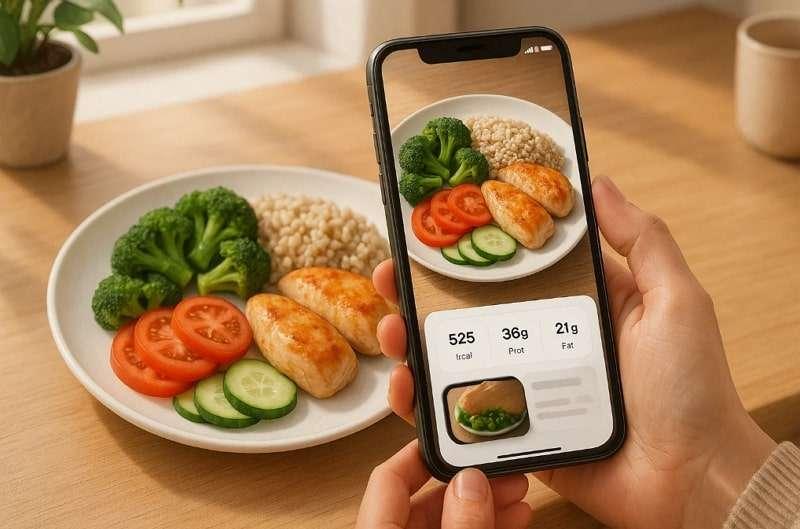
- Track Your Meals with Apps. A food diary app is an excellent tool for tracking calories . Popular options like MyFitnessPal, Lose It, and MyNetDiary allow you to scan barcodes, search databases, and see your daily intake at a glance .
- Stay Consistent. Track everything you eat and drink. Be meticulous and honest. Include the oil you cook with, the dressing on your salad, and the cream in your coffee .
Common Calorie Counting Mistakes
Many people start strong but fall into these common traps. Avoiding them will improve your accuracy and results.
- Forgetting Drinks. Sugary drinks, soda, juice, alcohol, and even milk in your tea or coffee add calories without making you feel full . Track them all.
- Guessing Portion Sizes. Eyeballing your portions is a recipe for error. Guessing your serving size isn’t as accurate as weighing your food .
- Ignoring Cooking Oils. A tablespoon of olive oil has about 120 calories. If you cook with it, it counts. Remember to include the calories in the oil and spreads you have cooked with .
- Eating Mindlessly. Snacking straight from the bag or eating while distracted often leads to eating more than intended .
- Tracking Inconsistently. Skipping a day here and there can derail your progress. Track on weekends and days out, too.
Best Tools for Counting Calories
Here’s a comparison to help you choose the best method for you.
Expert Tips
Here’s how to make calorie counting work for you, not against you, with advice from registered dietitians:
- Treat It as a Guide. Remember, the calorie values on labels and in apps are estimates. Your body doesn’t absorb 100% of the calories in food . The goal isn’t perfection; it’s gaining a general awareness.
- Focus on Food Quality. “Foods full of vitamins, minerals, and fiber are going to be much more nutritious for you compared to foods that are high in saturated fat or added salt and sugar” . Prioritize lean protein, fruits, vegetables, and whole grains .
- Don’t Eliminate, Reduce. If you completely cut out foods you love, cravings will likely increase. Instead, reduce the portion size . If you like bread, swap white bread for whole-grain and have one slice instead of three.
- Check How It Makes You Feel. If tracking your calories starts to feel obsessive or stressful, take a step back. “Your mental wellbeing matters just as much as your physical health” . It’s okay to stop and try a different approach.
- Be Patient. Weight loss is a long-term goal. The Cleveland Clinic recommends aiming for a 500-calorie deficit per day, which can lead to about 1 pound of weight loss per week . Sustainable changes take time.
Frequently Asked Questions
1. Do I need to count calories to lose weight?
No. Counting calories is one effective tool, but there are other methods. Reducing portion sizes, sticking to an eating window, or simply building meals around high-protein, high-fiber foods can also promote calorie reduction . The key is to find an approach that fits your lifestyle and is sustainable.
2. How many calories should I eat per day to lose weight?
This depends on your age, sex, weight, and activity level. A general NHS guideline for weight loss is to aim for around 1,900 calories a day for men and 1,400 for women, which is a reduction of about 600 calories from the average recommended daily intake . A dietitian can provide a personalized goal.
3. Is a 1,200-calorie diet safe for weight loss?
A very low-calorie diet of 1,200 calories is generally not recommended without medical supervision. It can be nutritionally inadequate and difficult to sustain. Consuming too few calories can lead to fatigue, nutrient deficiencies, and even a slowdown in your metabolism .
4. Can I count calories and still eat what I want?
Yes, within reason. Calorie counting doesn’t mean you can never eat your favourite foods. It’s about being mindful of portion sizes and balancing them with more nutritious choices. You can fit a small treat into your daily calorie allowance .
5. What are empty calories?
Empty calories come from foods and drinks that provide energy but little to no nutritional value. They are often found in added sugars, solid fats, and processed oils. Examples include soda, pastries, and alcohol . It’s best to limit these.
6. Is it better to count calories or track macros?
Both have their place. Counting calories tracks the total energy you consume. Macros (macronutrients: protein, carbs, fat) focus on the composition of those calories. Many find that starting with total calories is a simple way to begin building awareness.
7. Should I eat back the calories I burn from exercise?
If your goal is weight loss, it’s generally better not to eat back all the calories you burn, as fitness trackers can overestimate calorie expenditure. However, if you feel extremely fatigued or are doing a very intense workout, you may need a small, healthy snack to refuel.
8. How can I count calories when eating at a restaurant?
Many chain restaurants have calorie information available on their websites or menus. For smaller restaurants, use your best judgment. Opt for grilled over fried, ask for dressings and sauces on the side, and practice portion control by splitting a meal or taking half home.
Final Thoughts
Learning how to count calories for weight loss is one of the most empowering steps you can take on your health journey. It moves the needle from guesswork to understanding, giving you a clear picture of what you are eating and how it impacts your goals. Remember, calorie counting is a tool, not a life sentence. It’s meant to be a guide that helps you build healthier habits.
Use it to understand portion sizes, make better food choices, and create a sustainable calorie deficit. But don’t forget the bigger picture: sleep, stress management, and physical activity are all crucial components of a healthy lifestyle . And if counting calories starts to feel unhealthy or overwhelming, it’s okay to step away. The ultimate goal is a happier, healthier you—not a perfect score on a food diary.