Reading Time: 9 minutes
Who this guide is for: Anyone looking to lose weight sustainably, improve their diet, and feel fuller for longer without deprivation.
Key Takeaways: Vegetables are your most powerful ally for weight loss. They are low in calories, high in fiber and water, and packed with nutrients that keep you satisfied. This guide covers the 15 best vegetables, how to cook them for maximum benefit, common mistakes to avoid, and expert-backed tips for success.
Introduction
If you are on a journey to lose weight, you have likely heard the advice to “eat your vegetables.” While this is a cornerstone of healthy eating, the types of vegetables you choose and how you prepare them can make a significant difference in your results. The best vegetables for weight loss are not just low in calories; they are nutritional powerhouses that help you feel full, stabilize your blood sugar, and provide the energy you need to stay active and healthy.
This comprehensive guide will explore the science behind why vegetables are so effective for weight loss, highlight the top 15 options to fill your plate, and provide actionable tips to seamlessly incorporate them into your daily routine. By the end, you’ll have a clear understanding of how to harness the power of vegetables to achieve your weight loss goals, supported by evidence from leading health organizations like the World Health Organization (WHO) and Harvard T.H. Chan School of Public Health.
Why Vegetables Help with Weight Loss
The effectiveness of vegetables for weight loss is rooted in several key nutritional and physiological principles. Understanding these can help you make smarter choices and appreciate why these foods are so valuable for your health.
Low Calorie Density
Calorie density refers to the number of calories in a given weight of food. Foods with low calorie density, like most vegetables, provide few calories per gram. This means you can eat a large, satisfying volume of food without consuming excessive calories. For example, 100 grams of cucumber has about 15 calories, while the same weight of cheese has over 400 calories. By filling your plate with low-calorie-dense vegetables, you naturally reduce your overall calorie intake while still feeling physically full and satisfied.
High Fiber Content
Fiber is an indigestible carbohydrate that plays a crucial role in weight management. It adds bulk to your meals, slows digestion, and promotes a feeling of fullness (satiety), which helps prevent overeating. Fiber also helps regulate blood sugar levels, preventing spikes and crashes that can lead to cravings and overeating. Many vegetables, such as artichokes, broccoli, and Brussels sprouts, are exceptionally high in fiber. The WHO recommends a daily intake of at least 25 grams of naturally-occurring dietary fiber for adults, and vegetables are a primary source.
High Water Content
Many vegetables are composed of 90% or more water. This high water content adds to their volume and weight without adding calories, further contributing to a feeling of fullness. Vegetables like cucumber, celery, and zucchini are excellent examples of this, making them incredibly hydrating and satisfying.
Nutrient Density
Beyond being low in calories, vegetables are incredibly nutrient-dense. They are packed with essential vitamins, minerals, and antioxidants that are vital for overall health. A diet rich in nutrient-dense foods is strongly associated with a reduced risk of chronic diseases like heart disease, type 2 diabetes, and obesity. When you eat nutrient-dense vegetables, you are nourishing your body and supporting optimal metabolic function, which can aid in weight loss.
Appetite Control
The combination of low calorie density, high fiber, and high water content makes vegetables a powerful tool for appetite control. They trigger satiety signals in the body, telling your brain you are full before you have consumed too many calories. This allows for a strategy called “volume eating,” where you eat a large quantity of low-calorie foods to feel full and satisfied, making it easier to stick to a calorie deficit for weight loss.
15 Best Vegetables for Weight Loss
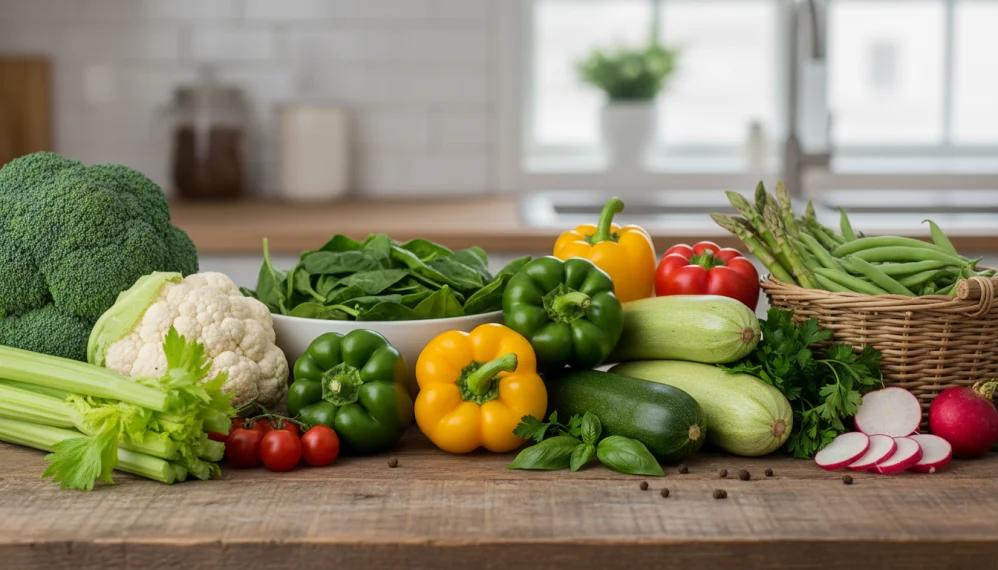
Here are 15 of the best vegetables to include in your diet for effective and sustainable weight loss. Each offers a unique profile of nutrients and benefits.
1. Spinach
This leafy green is a true superfood. It is incredibly low in calories but packed with iron, vitamins A, C, and K, and antioxidants.
- Calories (per cup, cooked): ~41
- Fiber: 4g
- Weight loss benefits: Its high nutrient density and fiber content promote fullness and support overall health.
- Best ways to eat it: Add raw to salads and smoothies, or sauté as a side dish.
2. Broccoli
A cruciferous vegetable, broccoli is a fiber and vitamin powerhouse. It’s rich in vitamins C and K and contains compounds with anti-inflammatory properties.
- Calories (per cup, cooked): ~55
- Fiber: 5.1g
- Weight loss benefits: High fiber content aids in satiety and blood sugar control.
- Best ways to eat it: Steam, roast, or stir-fry.
3. Cauliflower
This versatile vegetable is a low-carb favorite. It can be used to create lower-calorie versions of high-carb foods like rice and pizza crust.
- Calories (per cup, raw): ~27
- Fiber: 2g
- Weight loss benefits: A great low-calorie, low-carb alternative to grains.
- Best ways to eat it: Roast, rice it, or mash it.
4. Cucumber
Known for its high water content (about 96%), cucumber is one of the most hydrating and low-calorie vegetables.
- Calories (per cup, sliced): ~16
- Fiber: <1g
- Weight loss benefits: Excellent for volume eating; helps you feel full with very few calories.
- Best ways to eat it: Raw in salads, with hummus, or infused in water.
5. Bell Peppers
These colorful vegetables are packed with vitamin C and contain compounds like capsicum that may give a slight boost to metabolism.
- Calories (per cup, chopped): ~30-50
- Fiber: 2-3g
- Weight loss benefits: Low in calories and high in nutrients, great for adding flavor and crunch.
- Best ways to eat it: Raw, roasted, or stir-fried.
6. Zucchini
Another high-water vegetable, zucchini is low in calories and carbs, making it a perfect addition to any weight loss diet.
- Calories (per cup, raw): ~21
- Fiber: 1g
- Weight loss benefits: Can be used as a low-calorie substitute for pasta (zoodles).
- Best ways to eat it: Spiralize into noodles, grill, or sauté.
7. Cabbage
This cruciferous vegetable is not only affordable but also highly nutritious and filling.
- Calories (per cup, chopped): ~22
- Fiber: 2g
- Weight loss benefits: High volume and fiber help you feel full.
- Best ways to eat it: Raw in slaws, sautéed, or fermented as sauerkraut.
8. Kale
A nutrient-dense leafy green, kale is a detoxifying and filling option for salads and smoothies.
- Calories (per cup, raw): ~6
- Fiber: 1g
- Weight loss benefits: Extremely low calorie count allows for large portions.
- Best ways to eat it: Massage into salads, add to smoothies, or bake into chips.
9. Lettuce (and other leafy greens)
As a base for salads, lettuce provides a large volume of food for very few calories.
- Calories (per cup): ~5-15
- Fiber: 1g
- Weight loss benefits: Perfect for creating large, satisfying meals with minimal calories.
- Best ways to eat it: Use as a base for salads or as lettuce wraps.
10. Asparagus
A spring vegetable, asparagus is a good source of fiber and vitamins A, C, E, and K.
- Calories (per cup, cooked): ~27
- Fiber: 4g
- Weight loss benefits: High fiber and water content promote fullness.
- Best ways to eat it: Roast, grill, or steam.
11. Green Beans
These crunchy beans are a good source of fiber and protein compared to other vegetables.
- Calories (per cup, cooked): ~44
- Fiber: 4g
- Weight loss benefits: Provides a satisfying crunch with a good dose of fiber.
- Best ways to eat it: Steam, sauté, or roast.
12. Brussels Sprouts
These little cabbages are packed with fiber, vitamins, and compounds that may help boost metabolism.
- Calories (per cup, cooked): ~38
- Fiber: 4.1g
- Weight loss benefits: High fiber content keeps you feeling full and supports digestion.
- Best ways to eat it: Roast or sauté with a bit of olive oil.
13. Mushrooms
Though technically fungi, mushrooms are often treated as a vegetable. They are low in calories and carbs and can add a meaty texture to dishes.
- Calories (per cup, raw): ~15
- Fiber: 1g
- Weight loss benefits: Low-calorie substitute for meat in many recipes.
- Best ways to eat it: Sauté, grill, or roast.
14. Celery
Known for its crunch and high water content (about 95%), celery is a classic low-calorie snack.
- Calories (per cup, chopped): ~14
- Fiber: 2g
- Weight loss benefits: Its crunchy texture can satisfy the urge to snack.
- Best ways to eat it: Raw with dips, in soups, or in salads.
15. Tomatoes
Botanically a fruit, tomatoes are a staple in many cuisines and are rich in the antioxidant lycopene.
- Calories (per cup, cherry): ~27
- Fiber: 2g
- Weight loss benefits: Low in calories, high in water, and packed with flavor.
- Best ways to eat it: Raw in salads, roasted, or in sauces.
Best Cooking Methods for Weight Loss
How you prepare your vegetables can significantly impact their calorie content and nutritional value. Here is a comparison of the best methods.
| Cooking Method | Description | Impact on Calories | Nutrient Retention |
|---|---|---|---|
| Steaming | Cooking vegetables with steam from boiling water. | No added calories. | Excellent. Preserves water-soluble vitamins well. |
| Grilling | Cooking over direct, dry heat. | No added calories if done without oil. Adds smoky flavor. | Good. Can retain most nutrients. |
| Roasting | Baking in the oven at high heat. | Can be minimal if using little oil. | Good. Concentrates flavors. |
| Stir-frying | Quickly cooking in a wok or pan with a small amount of oil. | Can be low if using a small amount of healthy oil. | Good, as it’s quick and cooks at high heat. |
| Raw | Eating vegetables uncooked. | No added calories. | Excellent. Highest nutrient retention, but some nutrients are more bioavailable when cooked. |
Common Mistakes When Eating Vegetables
Even when focusing on vegetables, there are common pitfalls that can undermine your weight loss efforts.
- Using Too Much Oil or Butter: While healthy fats are important, adding large amounts of oil, butter, or creamy dressings can transform a low-calorie vegetable dish into a calorie-dense one. Use cooking spray or measure your oil to control portions.
- Heavy Creamy Sauces: Sauces based on cream, cheese, or mayonnaise are often high in saturated fat and calories. Opt for lighter options like lemon juice, vinegar, herbs, spices, or a small drizzle of olive oil.
- Overcooking Vegetables: Overcooking can destroy essential vitamins and minerals, leaving you with less nutritional benefit for your calories. It can also make the texture unappealing. Aim for crisp-tender when steaming or sautéing.
- Eating Too Few Vegetables: Many people simply do not eat enough vegetables. The WHO recommends at least 400 grams (about 5 servings) of fruits and vegetables per day for everyone over 10 years of age. If you are relying on a small side salad, you are likely missing out on the volume and nutrients needed to feel full and lose weight.
Expert Tips
Here are some practical, evidence-based tips to help you succeed.
- Eat the Rainbow: Consuming a wide variety of colorful vegetables ensures you get a broad range of nutrients and antioxidants.
- Make Vegetables the Star: Fill half your plate with vegetables at each meal to naturally crowd out higher-calorie foods.
- Prep Ahead: Wash, chop, and store your vegetables right after grocery shopping. This makes it easy to grab a healthy snack or add them to meals throughout the week, reducing food waste and increasing consumption.
- Don’t Overlook Frozen: Frozen vegetables are just as nutritious as fresh ones and are a convenient way to always have a supply on hand.
- Enjoy Your Food: As Harvard nutrition expert Walter Willett notes, eating healthy “must be something that they enjoy. It can’t be punishment”. Find vegetable preparations that you genuinely love to make healthy eating a sustainable habit.
Frequently Asked Questions
1. Can I eat unlimited vegetables and still lose weight?
While most vegetables are low in calories, you cannot eat unlimited amounts of any food and expect to lose weight. However, non-starchy vegetables (like leafy greens, broccoli, and celery) are so low in calories that you can eat large portions without jeopardizing your weight loss goals. Starchy vegetables like potatoes, peas, and corn are higher in calories and should be portion-controlled or treated as part of your carb intake.
2. Are all vegetables good for weight loss?
All vegetables are good for you, but some are more effective for weight loss than others. Non-starchy, high-fiber, water-rich vegetables like spinach, cucumbers, and broccoli are your best bets. Starchy vegetables like potatoes and peas are nutritious but should be eaten in moderation.
3. Which vegetable has the lowest calories?
Leafy greens like lettuce, kale, and spinach are among the lowest-calorie vegetables. Cucumber and celery are also extremely low in calories.
4. Which vegetable has the most fiber?
Artichokes are among the highest-fiber vegetables, with one medium artichoke providing about 7 grams of fiber. Other high-fiber options include sweet potatoes, broccoli, and Brussels sprouts.
5. Are starchy vegetables bad for weight loss?
Starchy vegetables (potatoes, corn, peas, winter squash) are not “bad,” but they are more calorie-dense than non-starchy varieties. They are better treated as a carbohydrate source, similar to whole grains, and should be eaten in moderation as part of a balanced diet.
6. What is the best way to eat vegetables for weight loss?
The best way is the way you will actually eat and enjoy them. For maximum benefit with minimal calories, steaming, grilling, roasting with minimal oil, or eating them raw are excellent options. Avoid adding heavy sauces, dressings, or excessive amounts of oil.
7. Can vegetables help me lose belly fat?
There is no magic food that targets belly fat specifically. However, losing overall body fat through a calorie deficit will reduce belly fat. Vegetables are an ideal tool for creating this deficit because they are low in calories, high in fiber, and help control appetite. A diet rich in vegetables is also linked to a lower risk of obesity and related metabolic disorders.
8. Is it better to eat vegetables raw or cooked?
Both have benefits. Raw vegetables retain more of certain vitamins, like vitamin C. However, cooking can make some nutrients, like beta-carotene and lycopene, more bioavailable for your body to absorb. Eating a mix of raw and cooked vegetables is the best approach.
Final Thoughts
Incorporating the best vegetables for weight loss into your daily diet is one of the most effective, sustainable, and health-promoting strategies you can adopt. By focusing on low-calorie, high-fiber, and nutrient-dense options like leafy greens and cruciferous vegetables, you can naturally reduce your calorie intake while still feeling full and energized. Remember, a diet rich in vegetables is not just for weight loss; it is a cornerstone of lifelong health.